



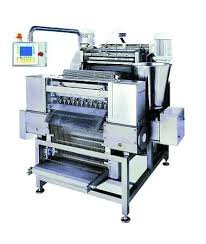
Tortellinatrice is revolutionizing the way culinary enthusiasts and professional chefs approach pasta-making, specifically the art of crafting tortellini and other filled pastas. In traditional Italian cuisine, creating tortellini requires skill, patience, and attention to detail, as each piece must be carefully shaped and filled to achieve the perfect balance of texture, flavor, and presentation. The Tortellinatrice automates much of this labor-intensive process, combining precision engineering with culinary artistry to make pasta production faster, more consistent, and accessible to a wider audience. Whether used in professional kitchens, artisanal pasta workshops, or home cooking environments, the device demonstrates how technology can enhance traditional culinary practices without compromising quality. Its growing popularity reflects broader trends in modern gastronomy, where automation, efficiency, and creativity converge to redefine food preparation. This article explores Tortellinatrice in detail, examining its design, functionality, culinary applications, technological innovations, cultural impact, and the ways it is transforming the pasta-making experience for chefs and enthusiasts alike.
Origins and Concept of Tortellinatrice
The concept of Tortellinatrice arises from the desire to streamline the painstaking process of handcrafting tortellini, ravioli, and other filled pastas. Historically, making these delicacies involved rolling dough to the correct thickness, preparing a variety of fillings, and manually folding and sealing each piece. This process was time-consuming and required specialized skill, making it less accessible to casual cooks or smaller-scale operations. Tortellinatrice was developed to address these challenges by mechanizing repetitive tasks while maintaining the authenticity and quality of artisanal pasta. Its design reflects a careful balance of culinary tradition and modern engineering, allowing users to replicate the precision of hand-made pasta at scale. The machine’s introduction has not only increased production efficiency but has also democratized access to gourmet pasta, enabling more people to enjoy freshly-made tortellini without the need for advanced culinary training.
Design and Engineering Features
At the heart of the Tortellinatrice is advanced mechanical engineering, designed to replicate the dexterity and precision of skilled pasta makers. The device features adjustable settings for dough thickness, filling quantity, and pasta size, ensuring uniformity and consistency across each batch. High-quality materials, such as stainless steel and food-grade polymers, ensure durability, hygiene, and ease of maintenance. Many models incorporate user-friendly interfaces with programmable options, allowing chefs to experiment with different pasta shapes, fillings, and recipes while maintaining precise control over the final product. Sensors and automated rollers ensure consistent dough feeding and filling placement, minimizing waste and maximizing productivity. By integrating these engineering features, the Tortellinatrice combines reliability, efficiency, and culinary artistry, making it an indispensable tool in modern kitchens and artisanal pasta production.
Culinary Applications and Versatility
Tortellinatrice is highly versatile, catering to both professional chefs and home cooks who seek efficiency without sacrificing flavor or presentation. The machine can produce a wide range of filled pastas, including tortellini, ravioli, cappelletti, and other regional variations, allowing users to explore diverse culinary traditions. Beyond classic Italian fillings like ricotta and spinach or meat-based combinations, the machine also accommodates creative recipes, including seafood, mushroom, or vegan options. Its versatility makes it ideal for restaurants, catering businesses, and food production facilities where large quantities of consistent, high-quality pasta are required. Additionally, the machine can be used for culinary education, providing students with hands-on experience in pasta-making while demonstrating the principles of dough preparation, filling, and shaping in a controlled and efficient manner.
Efficiency and Productivity Advantages
One of the most significant benefits of Tortellinatrice is the efficiency it brings to pasta production. Tasks that previously required hours of manual labor can now be accomplished in minutes, with consistent results that reduce human error and waste. In professional kitchens, this translates to higher output, streamlined workflows, and the ability to meet customer demand more effectively. For small-scale pasta producers, the machine allows for scalability without the need to increase labor costs significantly. Even in home kitchens, users can produce large quantities of fresh pasta quickly, enabling meal prep for families or social gatherings without compromising quality. This efficiency does not come at the expense of taste or texture; the Tortellinatrice ensures that pasta maintains the delicate structure and flavor that traditional methods achieve.
Maintenance, Cleaning, and Safety Considerations
Maintaining and operating a Tortellinatrice requires attention to hygiene, safety, and regular upkeep. Most machines are designed for easy disassembly, allowing users to clean rollers, molds, and filling chambers thoroughly after each use. Food-grade materials ensure safety during operation, while built-in safeguards prevent accidents related to moving parts. Regular maintenance, including lubrication and inspection of mechanical components, extends the machine’s lifespan and ensures consistent performance. Users are encouraged to follow manufacturer guidelines for operation, cleaning, and storage to maintain the quality and safety of both the pasta and the equipment. Proper handling ensures that the Tortellinatrice remains a reliable and durable tool for years of culinary exploration.
Cultural Impact and Culinary Innovation
The introduction of Tortellinatrice has influenced culinary culture by bridging tradition and modern innovation. It allows chefs to preserve the artistry of tortellini-making while adopting technological efficiency, demonstrating that automation can enhance, rather than replace, traditional culinary skills. The machine encourages experimentation, inspiring new recipes, fillings, and presentation styles that expand the possibilities of Italian cuisine. Moreover, Tortellinatrice has contributed to the growing popularity of fresh, handmade pasta in urban markets, culinary schools, and gourmet restaurants worldwide. Its cultural impact extends beyond efficiency; it highlights the evolving relationship between technology and gastronomy, showing how innovation can support creativity while maintaining respect for heritage.
Market Presence and Global Adoption
The Tortellinatrice is increasingly adopted in professional kitchens, artisanal pasta workshops, and home culinary spaces across the globe. Manufacturers offer a range of models tailored to different production needs, from compact units suitable for domestic kitchens to industrial machines capable of producing hundreds of portions per hour. Its global adoption underscores a growing demand for fresh, high-quality pasta that can be produced efficiently. Restaurants and catering services leverage the machine to enhance menu offerings, improve consistency, and scale production without compromising on quality. As more chefs and food enthusiasts recognize its value, the Tortellinatrice continues to shape the pasta-making industry, setting new standards for efficiency, creativity, and culinary excellence.
Challenges and Limitations
Despite its advantages, Tortellinatrice faces certain challenges and limitations. High-quality machines can be expensive, which may limit access for small-scale or budget-conscious users. Additionally, while the machine automates many aspects of pasta-making, it cannot fully replicate the nuanced touch and artistic flair of highly skilled chefs, particularly for decorative or specialty pasta shapes. Learning to operate the machine efficiently may require training, particularly when adjusting settings for different dough types or fillings. Manufacturers continue to address these limitations by improving design, user interfaces, and customization options, ensuring that the Tortellinatrice remains both functional and versatile for a wide range of users.
Future Prospects and Innovations
The future of Tortellinatrice holds exciting possibilities for culinary innovation. Emerging technologies, such as AI-assisted automation, smart sensors, and connected kitchen devices, could further enhance its functionality, enabling real-time adjustments for dough consistency, filling ratios, and portion control. Integration with recipe databases and guided culinary programs may allow users to experiment with global pasta varieties, expanding the machine’s versatility. Additionally, developments in materials and mechanical design may make machines more compact, energy-efficient, and affordable, broadening accessibility for home cooks and small-scale producers. The continued evolution of Tortellinatrice reflects the ongoing intersection of culinary tradition and modern technology, promising to redefine the future of pasta-making worldwide.
Conclusion
Tortellinatrice is a transformative tool in modern gastronomy, bridging the gap between traditional pasta-making techniques and technological innovation. It enhances efficiency, consistency, and creativity, allowing chefs and culinary enthusiasts to produce high-quality tortellini, ravioli, and other filled pastas with precision and ease. By combining advanced engineering, versatile functionality, and cultural respect for Italian culinary heritage, the Tortellinatrice has become an indispensable device in both professional and domestic kitchens. Its impact extends beyond mere production, fostering creativity, culinary exploration, and global appreciation for artisanal pasta. As the technology continues to evolve, the Tortellinatrice promises to shape the future of pasta-making, ensuring that traditional flavors and artistry remain accessible in the modern culinary landscape.
FAQs
What is a Tortellinatrice?
A Tortellinatrice is a machine designed to automate the process of making tortellini, ravioli, and other filled pastas, ensuring consistent size, shape, and filling.
Who uses a Tortellinatrice?
It is used by professional chefs, artisanal pasta producers, culinary schools, and home cooking enthusiasts who want efficiency and precision in pasta-making.
Can the machine make different types of pasta?
Yes, modern Tortellinatrice machines are versatile and can create various filled pastas, including tortellini, ravioli, cappelletti, and customized shapes.
Does it affect the taste of pasta?
No, the machine maintains the quality and texture of traditional hand-made pasta while improving consistency and production speed.
Is it difficult to use?
Most machines are user-friendly, but some training may be needed to adjust settings for dough thickness, filling amounts, and pasta size.
What is the future of Tortellinatrice technology?
Future developments may include AI-assisted automation, smart sensors, recipe integration, and improved energy efficiency, expanding both accessibility and culinary creativity.


Leave a Reply