



The term “Protocolo Operacional Padrão” (Standard Operating Procedure, or SOP) refers to a set of structured instructions and guidelines designed to ensure consistency, safety, and efficiency in organizational operations. SOPs are crucial across industries including healthcare, manufacturing, logistics, and technology, as they provide a framework that minimizes errors, maintains compliance, and standardizes performance. Implementing Protocolo Operacional Padrão enables organizations to achieve operational excellence, maintain quality control, and ensure that employees understand expectations and procedures. The concept emphasizes repeatability, accountability, and clarity, allowing teams to perform complex tasks with uniformity regardless of personnel changes or external conditions. By examining the origins, design principles, implementation strategies, and organizational impact of Protocolo Operacional Padrão, this article provides a comprehensive understanding of why SOPs are essential, how they are developed, and how they influence efficiency, compliance, and performance.
Historical Origins and Evolution
Protocolo Operacional Padrão has its roots in industrial management practices that emerged during the early 20th century when standardization and process optimization became necessary to meet growing production demands. The concept was influenced by scientific management principles, workflow standardization, and quality control methodologies developed by pioneers like Frederick Taylor and later expanded through the development of quality management systems. Initially, SOPs were primarily used in manufacturing environments to regulate production lines, minimize errors, and ensure product consistency. Over time, their application extended to healthcare, aviation, government operations, and other sectors where structured procedures are critical for safety and accountability. The evolution of Protocolo Operacional Padrão reflects broader trends in organizational management, where formal documentation of procedures ensures that complex operations can be performed reliably, efficiently, and in alignment with regulatory or ethical standards.
Purpose and Importance
The primary purpose of Protocolo Operacional Padrão is to establish a uniform approach to executing tasks, ensuring that organizational operations are performed consistently, efficiently, and safely. SOPs serve multiple purposes: they reduce the risk of errors, facilitate training of new employees, enhance accountability, and provide a documented reference for regulatory compliance and audits. In highly regulated industries such as pharmaceuticals, healthcare, or food production, SOPs are critical for meeting legal and ethical standards while protecting consumers, staff, and stakeholders. Moreover, Protocolo Operacional Padrão allows organizations to maintain operational continuity during personnel changes or crises, ensuring that critical processes continue without disruption. Its importance lies in the combination of operational consistency, risk mitigation, quality assurance, and the promotion of a culture of accountability within the organization.
Structure and Components
A well-crafted Protocolo Operacional Padrão typically contains several essential components to ensure clarity, usability, and effectiveness. These include a clear title and purpose statement, a scope defining where and when the SOP applies, and a detailed step-by-step description of the procedures to be followed. Additional elements may include required tools or resources, safety precautions, responsibilities of personnel, reference materials, and performance metrics or evaluation criteria. A clear structure ensures that SOPs are easy to follow and accessible to all users, regardless of experience level. Including visual aids, flowcharts, or checklists can further enhance comprehension and reduce the likelihood of errors. The design of Protocolo Operacional Padrão is critical because the document must balance completeness with usability, providing sufficient detail to ensure accuracy while remaining practical for everyday use.
Implementation Strategies
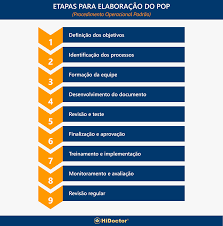
Implementing Protocolo Operacional Padrão requires careful planning, communication, and training to ensure that procedures are effectively adopted and followed. Organizations must first assess existing processes, identify critical tasks, and determine where standardization is needed. After drafting the SOP, training programs are essential to familiarize employees with the procedures and expectations. Effective implementation also involves creating feedback mechanisms to monitor adherence, identify challenges, and update procedures as needed. Integration with organizational management systems, digital platforms, or workflow software can streamline adherence and improve tracking. Change management strategies are often necessary to address resistance and encourage a culture of compliance, emphasizing that SOPs are tools to enhance efficiency, safety, and accountability rather than bureaucratic constraints.
Benefits and Organizational Impact
The implementation of Protocolo Operacional Padrão has significant benefits for organizations, including improved operational efficiency, reduced errors, enhanced safety, and compliance with regulations. SOPs contribute to workforce consistency, enabling tasks to be performed predictably and with minimal variation, which is particularly important in complex or high-stakes environments. In addition, SOPs facilitate training, as new employees can learn standardized procedures without relying solely on mentorship or on-the-job improvisation. The presence of clear SOPs also supports auditing, risk management, and continuous improvement initiatives, as deviations from established procedures can be documented and analyzed to inform corrective action. Ultimately, Protocolo Operacional Padrão strengthens organizational performance, builds stakeholder confidence, and promotes a culture of accountability, quality, and operational resilience.
Challenges and Best Practices
Despite its advantages, implementing and maintaining Protocolo Operacional Padrão can face challenges. Common obstacles include resistance from employees who perceive SOPs as rigid, excessive documentation that is difficult to maintain, or procedures that do not adapt to changing operational conditions. To overcome these challenges, organizations should involve stakeholders in the drafting process, ensuring that procedures are practical, relevant, and user-friendly. Regular review, updates, and integration of feedback ensure that SOPs remain accurate and effective. Additionally, combining SOPs with digital tools, training programs, and visual aids can enhance usability and adoption. Best practices emphasize clarity, simplicity, and flexibility within the standardized framework, allowing organizations to benefit fully from the structure without creating unnecessary burden or rigidity.
Technological Integration
Modern organizations increasingly integrate technology to enhance the implementation and effectiveness of Protocolo Operacional Padrão. Digital platforms, workflow automation, and document management systems allow SOPs to be accessed, tracked, and updated efficiently. Mobile applications and interactive guides enable real-time access to procedures, ensuring compliance in dynamic environments such as manufacturing floors, hospitals, or logistics operations. Technology also facilitates monitoring and analytics, providing organizations with insights into adherence, performance, and areas for improvement. By leveraging technology, organizations can maintain updated procedures, streamline training, reduce errors, and improve operational efficiency, demonstrating how Protocolo Operacional Padrão evolves alongside organizational innovation.
Future Outlook and Adaptation
The future of Protocolo Operacional Padrão is closely linked to organizational digitization, process automation, and continuous improvement initiatives. As industries become more complex, SOPs will increasingly integrate AI-assisted guidance, interactive training modules, and real-time monitoring. Organizations will focus on making SOPs adaptable, scalable, and responsive to changing regulations, technological developments, and operational challenges. Moreover, SOPs will likely serve as foundational elements in quality management systems, risk assessment strategies, and performance optimization efforts, cementing their role as critical tools for organizational success. By adapting to technological and operational trends, Protocolo Operacional Padrão will continue to be indispensable in ensuring efficiency, safety, and organizational resilience.
Conclusion
Protocolo Operacional Padrão represents a cornerstone of modern organizational management, providing structured procedures to ensure consistency, safety, and efficiency across industries. Its careful design, implementation, and maintenance allow organizations to reduce errors, maintain quality, comply with regulations, and improve operational performance. By standardizing critical tasks, SOPs foster accountability, facilitate training, and create a culture of reliability and continuous improvement. As technology and operational environments evolve, the role of Protocolo Operacional Padrão will continue to expand, integrating digital tools and advanced analytics to enhance adherence and effectiveness. Ultimately, well-crafted SOPs are not just procedural documents but strategic assets that support sustainable growth, operational excellence, and long-term organizational success.
FAQs
What is Protocolo Operacional Padrão? Protocolo Operacional Padrão, or Standard Operating Procedure, is a documented set of instructions designed to ensure consistent, safe, and efficient performance of organizational tasks.
Why is it important? SOPs minimize errors, maintain quality, ensure compliance, facilitate training, and promote operational consistency and accountability.
Who uses Protocolo Operacional Padrão? It is used by organizations across industries, including healthcare, manufacturing, logistics, aviation, and technology.
How is an SOP implemented? Implementation involves drafting detailed procedures, training employees, monitoring adherence, integrating feedback, and updating as needed.
What are common challenges? Challenges include employee resistance, outdated documentation, and difficulty maintaining relevance as operations evolve.
How can technology improve SOPs? Digital platforms, workflow automation, and real-time monitoring enable easy access, updates, compliance tracking, and performance analytics, enhancing SOP effectiveness.


Leave a Reply