



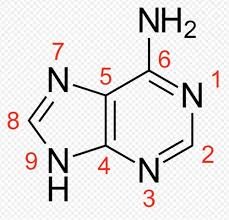
Nukleotidy, more commonly known as nucleotides, are fundamental molecular units that form the backbone of life at the cellular level. These small but powerful molecules are the building blocks of DNA and RNA, which carry genetic information in all living organisms. Without nucleotides, the processes of replication, transcription, and protein synthesis would not be possible, meaning life as we know it could not exist. Beyond their role in genetics, nucleotides also serve as energy carriers, signaling molecules, and essential components in various biochemical reactions. In this article, we will explore nukleotidy in depth, discussing their structure, functions, biological importance, and applications in science and medicine.
What Are Nukleotidy?
Nukleotidy are organic molecules composed of three main components: a nitrogenous base, a five-carbon sugar, and one or more phosphate groups. These components work together to form a stable yet versatile structure that is capable of storing and transmitting genetic information. The nitrogenous base can be one of four types in DNA (adenine, thymine, cytosine, and guanine) and slightly different in RNA (adenine, uracil, cytosine, and guanine). The sugar component is either deoxyribose in DNA or ribose in RNA, which distinguishes the two types of nucleic acids. The phosphate group allows nucleotides to link together, forming long chains that create the structure of DNA and RNA. This combination of components makes nukleotidy essential for life at a molecular level.
Structure and Composition of Nukleotidy
The structure of nukleotidy is both simple and highly functional, allowing them to play multiple roles in biological systems. The nitrogenous base determines the genetic code, as specific bases pair with each other to form the double helix structure of DNA. Adenine pairs with thymine, while cytosine pairs with guanine, forming stable hydrogen bonds that hold the DNA strands together. In RNA, uracil replaces thymine, but the pairing principles remain similar. The sugar-phosphate backbone provides structural support, forming a continuous chain that protects and organizes the genetic material. This structural arrangement ensures both stability and flexibility, allowing nucleotides to function efficiently in various biological processes.
Role of Nukleotidy in DNA and RNA
Nukleotidy play a central role in the formation and function of DNA and RNA, which are responsible for storing and transmitting genetic information. DNA contains the instructions needed for the growth, development, and functioning of all living organisms, while RNA helps translate these instructions into proteins. During DNA replication, nucleotides are added to form new strands that are complementary to the original strands, ensuring accurate copying of genetic information. In transcription, DNA is used as a template to create RNA molecules, which then carry the genetic code to ribosomes for protein synthesis. This process highlights the essential role of nukleotidy in maintaining life and enabling biological functions.
Energy and Metabolism: The Role of ATP
One of the most important functions of nukleotidy is their role in energy transfer within cells. Adenosine triphosphate (ATP) is a nucleotide that serves as the primary energy carrier in living organisms. ATP stores energy in its phosphate bonds, which can be released when these bonds are broken during cellular processes. This energy is used to power various activities, including muscle contraction, active transport, and biochemical reactions. Without ATP, cells would not have the energy needed to function properly. This highlights the critical role of nukleotidy not only in genetic information but also in energy metabolism.
Nukleotidy in Cellular Signaling
Nukleotidy also play a key role in cellular communication and signaling pathways. Certain nucleotides act as signaling molecules that transmit information within and between cells. For example, cyclic adenosine monophosphate (cAMP) is a nucleotide that acts as a second messenger in many biological processes, helping to regulate metabolism, gene expression, and other cellular activities. These signaling functions allow cells to respond to external stimuli and maintain homeostasis. By participating in these processes, nukleotidy help coordinate complex biological functions and ensure proper cellular communication.
Nukleotidy in Genetic Mutations and Evolution
Changes in nucleotides, known as mutations, play a significant role in genetic variation and evolution. Mutations can occur due to errors during DNA replication or exposure to environmental factors such as radiation or chemicals. These changes in the nucleotide sequence can lead to variations in traits, some of which may be beneficial, harmful, or neutral. Over time, beneficial mutations can contribute to the evolution of species, allowing organisms to adapt to their environment. Nukleotidy are therefore not only essential for maintaining genetic stability but also for driving genetic diversity and evolutionary change.
Applications of Nukleotidy in Medicine and Science
Nukleotidy have numerous applications in medicine and scientific research. They are used in genetic testing, drug development, and biotechnology. For example, nucleotide-based therapies are being developed to treat genetic disorders by targeting specific sequences in DNA or RNA. Additionally, nucleotides are used in laboratory techniques such as polymerase chain reaction (PCR), which allows scientists to amplify DNA for analysis. In medicine, understanding nucleotides helps researchers develop treatments for diseases, including cancer and viral infections. This demonstrates the importance of nukleotidy in advancing science and improving human health.
Challenges in Studying Nukleotidy
Despite their importance, studying nukleotidy can be challenging due to their complex interactions and dynamic behavior within cells. Understanding how nucleotides interact with other molecules requires advanced technology and detailed analysis. Additionally, mutations and variations in nucleotide sequences can complicate research, making it difficult to predict biological outcomes. However, advancements in molecular biology and genetic engineering are helping scientists overcome these challenges, leading to a deeper understanding of nucleotides and their functions.
Future of Nukleotidy Research
The future of nukleotidy research is promising, with ongoing advancements in genetics, biotechnology, and medicine. Scientists are continuously exploring new ways to manipulate and utilize nucleotides for therapeutic purposes. This includes gene editing technologies such as CRISPR, which allow precise modifications to DNA sequences. As research progresses, nucleotides will play an increasingly important role in personalized medicine, disease prevention, and the development of new treatments. The study of nukleotidy will continue to expand our understanding of life at the molecular level.
Conclusion
In conclusion, nukleotidy are essential molecules that form the foundation of life by carrying genetic information, providing energy, and supporting cellular communication. Their role in DNA and RNA makes them indispensable for biological processes, while their involvement in energy transfer and signaling highlights their versatility. Despite the challenges in studying them, ongoing research continues to uncover new insights into their functions and applications. Nukleotidy remain a central focus in biology, medicine, and biotechnology, shaping the future of scientific discovery and human health.
FAQs
What are nukleotidy?
Nukleotidy are the basic building blocks of DNA and RNA, composed of a nitrogenous base, sugar, and phosphate group.
Why are nukleotidy important?
They are important because they store and transmit genetic information and play a role in energy transfer and cell signaling.
What is the role of ATP?
ATP is a nucleotide that serves as the main energy carrier in cells.
How do nukleotidy affect evolution?
Changes in nucleotides, known as mutations, contribute to genetic variation and evolution.
Where are nukleotidy used in science?
They are used in genetic research, medicine, biotechnology, and molecular biology techniques.



Leave a Reply