



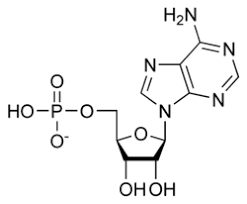
Nucleotides are fundamental molecular units that form the backbone of genetic material in all living organisms. Nukleotidy, or nucleotides, are organic molecules composed of three primary components: a nitrogenous base, a five-carbon sugar, and one or more phosphate groups. These molecules are essential not only for the storage and transmission of genetic information but also for numerous cellular processes, including energy transfer, enzymatic reactions, and signaling pathways. Understanding nucleotides is critical for fields ranging from molecular biology and genetics to biochemistry and medicine, as they underpin the mechanisms of heredity, cellular communication, and metabolism. This article delves into the structure, function, types, and significance of nucleotides, exploring their role in DNA and RNA synthesis, energy production, and biological signaling. It also examines how abnormalities in nucleotide metabolism can impact health, highlighting their relevance in disease prevention, diagnostics, and therapeutic applications. By exploring these dimensions, readers will gain a comprehensive understanding of why nucleotides are often described as the “building blocks of life” and their central importance in maintaining the complexity and functionality of living systems.
Structure of Nucleotides
A nucleotide consists of three essential components: a nitrogenous base, a pentose sugar, and phosphate groups. The nitrogenous base can be a purine, such as adenine or guanine, or a pyrimidine, such as cytosine, thymine, or uracil. The pentose sugar is either deoxyribose, found in DNA, or ribose, found in RNA. The phosphate group, which may be present in single or multiple units, links nucleotides together via phosphodiester bonds to form nucleic acid chains. The sequence and arrangement of these components dictate the chemical properties, stability, and functionality of nucleotides in various biological contexts. This structure allows nucleotides to participate in both storage of genetic information and energy transfer reactions, making them versatile molecules integral to life’s biochemical processes. The precise arrangement of nitrogenous bases in nucleotide sequences forms the blueprint for protein synthesis and cellular function, highlighting the central role of nucleotides in molecular biology.
Types of Nucleotides
Nucleotides are classified based on the nitrogenous base and the role they play in cellular processes. In DNA, the four primary nucleotides include adenine (A), guanine (G), cytosine (C), and thymine (T). In RNA, thymine is replaced by uracil (U), creating a slightly different chemical context. Beyond their structural role in nucleic acids, nucleotides such as adenosine triphosphate (ATP), guanosine triphosphate (GTP), cytidine triphosphate (CTP), and uridine triphosphate (UTP) serve as energy carriers and cofactors in enzymatic reactions. Cyclic nucleotides, including cyclic adenosine monophosphate (cAMP) and cyclic guanosine monophosphate (cGMP), act as secondary messengers in cellular signaling pathways. Each type of nucleotide has specific biochemical roles, enabling diverse processes such as energy metabolism, signal transduction, and regulation of gene expression. Understanding these variations is essential for comprehending how nucleotides orchestrate cellular activities and maintain homeostasis.
Function in Genetic Material
The primary function of nucleotides in biological systems is the storage and transmission of genetic information. In DNA, nucleotides are linked in specific sequences that encode the instructions for protein synthesis, while RNA nucleotides play critical roles in translating and regulating these instructions. Complementary base pairing between purines and pyrimidines ensures accurate replication and transcription, preserving genetic integrity across generations. Nucleotides also form structural motifs, such as double helices in DNA or single-stranded loops in RNA, which facilitate interactions with enzymes and other molecules. Through these mechanisms, nucleotides enable the faithful transfer of genetic information, control gene expression, and support cellular differentiation, growth, and adaptation. Their role in heredity underscores the fundamental principle that nucleotides are the molecular language of life.
Role in Energy Metabolism
Nucleotides such as ATP and GTP are central to energy metabolism, providing the energy required for numerous biochemical reactions. ATP serves as the universal energy currency, storing energy in its high-energy phosphate bonds and releasing it when hydrolyzed to ADP or AMP. GTP functions similarly in processes such as protein synthesis, signal transduction, and microtubule dynamics. Other nucleotides, including CTP and UTP, participate in biosynthetic reactions, such as lipid and carbohydrate metabolism. The versatility of nucleotides in energy transfer allows cells to couple energy production with enzymatic activity efficiently, supporting growth, repair, and homeostasis. By facilitating the transfer of chemical energy, nucleotides ensure that biological systems operate efficiently, maintaining the energetic balance required for life.
Nucleotides in Cell Signaling
Beyond their structural and energetic roles, nucleotides are crucial in cellular signaling pathways. Secondary messengers such as cAMP and cGMP are derived from nucleotides and act as intracellular signaling molecules that regulate processes like hormone response, ion channel activity, and gene expression. These cyclic nucleotides amplify signals initiated at the cell surface, translating extracellular cues into coordinated intracellular responses. Nucleotide-derived cofactors, including NAD+ and FAD, also participate in redox reactions and act as signaling intermediates. By modulating biochemical pathways and controlling cellular responses, nucleotides contribute to the dynamic regulation of physiological processes, including metabolism, growth, and stress responses, emphasizing their multifaceted role in cellular function.
Nucleotide Biosynthesis
Nucleotides are synthesized in cells through two primary pathways: de novo synthesis and salvage pathways. De novo synthesis builds nucleotides from simple precursors such as amino acids, ribose-5-phosphate, carbon dioxide, and nitrogenous bases, allowing cells to produce nucleotides even under nutrient-limited conditions. Salvage pathways, on the other hand, recycle free bases and nucleosides from cellular turnover, conserving energy and resources. Both pathways are tightly regulated to maintain nucleotide pool balance, ensuring adequate supply for DNA and RNA synthesis, energy transfer, and signaling. Disruptions in nucleotide biosynthesis can lead to genetic instability, metabolic disorders, and impaired cell proliferation, highlighting the importance of precise control mechanisms. Understanding these biosynthetic pathways provides insight into metabolic regulation, drug targets, and therapeutic strategies in medicine.
Clinical Relevance of Nucleotides
Abnormalities in nucleotide metabolism are linked to numerous human diseases. Defects in enzymes involved in nucleotide synthesis or salvage can cause genetic disorders, immunodeficiencies, and metabolic syndromes. For example, mutations in purine or pyrimidine metabolism pathways may result in conditions like gout, Lesch-Nyhan syndrome, or orotic aciduria. Additionally, nucleotides are targets for antiviral and anticancer therapies; drugs that mimic or inhibit nucleotide function can disrupt DNA/RNA synthesis in pathogens or cancer cells. Nucleotide analogs are widely used in chemotherapy and antiviral treatments, demonstrating their therapeutic significance. Understanding the clinical relevance of nucleotides enables the development of diagnostic tools, targeted therapies, and personalized medicine strategies, highlighting their critical role in healthcare and disease management.
Nucleotides in Biotechnology and Research
In biotechnology, nucleotides are foundational components for molecular biology techniques, including polymerase chain reaction (PCR), DNA sequencing, gene cloning, and RNA interference. Synthetic nucleotides and nucleotide analogs are used to study enzyme activity, nucleic acid structure, and gene expression regulation. Advances in nucleotide chemistry have enabled the development of molecular probes, fluorescent markers, and nucleotide-based sensors, expanding the toolkit for biological research. The manipulation of nucleotides and their derivatives underpins innovations in genomics, proteomics, synthetic biology, and drug development, emphasizing their indispensable role in modern scientific discovery and technological advancement.
Advantages of Studying Nucleotides
Studying nucleotides offers multiple advantages for both scientific understanding and practical applications. Insights into nucleotide structure, function, and metabolism provide a foundation for understanding genetics, biochemistry, and cellular physiology. This knowledge informs disease diagnosis, therapeutic development, and biotechnology innovation. Furthermore, research on nucleotides enables the design of targeted drugs, nucleotide-based vaccines, and diagnostic assays. Understanding nucleotide dynamics and regulation also sheds light on fundamental processes like cell division, gene expression, and metabolic control, enhancing our ability to manipulate biological systems for medical, industrial, and agricultural purposes.
Frequently Asked Questions (FAQ)
What are nucleotides?
Nucleotides are organic molecules composed of a nitrogenous base, a pentose sugar, and phosphate groups that serve as the building blocks of DNA and RNA.
What roles do nucleotides play in cells?
They are essential for genetic material formation, energy metabolism, and cell signaling, including acting as secondary messengers and enzyme cofactors.
What types of nucleotides exist?
Common types include DNA nucleotides (A, T, C, G), RNA nucleotides (A, U, C, G), energy carriers like ATP and GTP, and cyclic nucleotides like cAMP and cGMP.
How are nucleotides synthesized in the body?
Cells synthesize nucleotides through de novo pathways from simple precursors or via salvage pathways that recycle existing nucleotides.
Why are nucleotides important in medicine?
Nucleotides are involved in drug development, antiviral therapy, cancer treatment, and disease diagnostics due to their role in DNA/RNA synthesis and cellular metabolism.
Conclusion
Nucleotides, or nukleotidy, are indispensable molecules that underpin the structure, function, and regulation of all living systems. From forming the genetic code in DNA and RNA to serving as energy carriers and signaling molecules, nucleotides enable life at the molecular level. Their involvement in biosynthesis, metabolism, and disease highlights their importance in biology, medicine, and biotechnology. Understanding nucleotides provides insights into fundamental cellular processes, informs therapeutic strategies, and facilitates technological innovation in molecular biology. As research advances, nucleotides continue to be a cornerstone of scientific discovery, emphasizing their critical role as the foundational building blocks of life, energy, and cellular communication. Their study not only enhances our comprehension of biological systems but also empowers the development of solutions to health challenges, demonstrating their enduring relevance in science and medicine.



Leave a Reply