



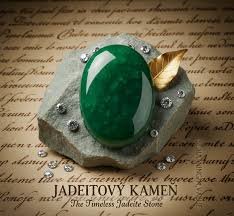
Jadeitový kameň, known in English as jade stone, is a gemstone celebrated for its beauty, cultural significance, and mystical properties. Jade has been cherished for thousands of years across civilizations, from ancient China to Central and South America, as both a decorative element and a symbol of power, wisdom, and spirituality. Unlike other gemstones, jade is valued not only for its aesthetic appeal but also for its durability, smooth texture, and perceived metaphysical properties. The term “jadeitový kameň” specifically refers to the jadeite variant of jade, which is rarer and typically more vibrant in color compared to nephrite, the other primary type of jade. This stone has played a pivotal role in art, jewelry, rituals, and healing traditions, earning its place as one of the most revered and sought-after minerals in human history. Understanding jadeitový kameň requires exploring its geological formation, historical use, cultural significance, healing properties, and contemporary applications.
Geological Formation and Characteristics
Jadeitový kameň is primarily composed of the mineral jadeite, a pyroxene silicate that forms under high-pressure, low-temperature conditions typically found in subduction zones of tectonic plates. This geological process makes jadeite harder and more dense than nephrite, giving it a fine, smooth texture and a glassy luster when polished. The stone comes in a variety of colors, ranging from deep emerald green to white, lavender, yellow, and even black, with green jadeite being the most prized due to its rarity and aesthetic appeal. Its toughness and ability to be finely carved without breaking make jadeitový kameň ideal for intricate jewelry, ceremonial objects, and ornamental carvings. Geologists study its formation to understand tectonic processes, while gemologists value its color, translucency, and texture for grading and market valuation.
Historical Significance of Jadeitový Kameň
The cultural importance of jadeitový kameň spans multiple civilizations. In ancient China, jade was considered the “stone of heaven” and was associated with immortality, virtue, and moral integrity. Jade artifacts were often buried with emperors and nobility as a symbol of protection and status. Similarly, in Mesoamerican civilizations such as the Olmecs, Maya, and Aztecs, jade was valued for its symbolic connection to life, fertility, and the divine. Carved jade masks, figurines, and jewelry were used in rituals and as offerings to deities. The historical reverence for jadeitový kameň underscores its significance not only as a gemstone but also as a medium through which spiritual and cultural narratives were expressed across time.
Jadeitový Kameň in Art and Jewelry
Jadeitový kameň has been widely used in the creation of art, jewelry, and ceremonial objects. Its ability to be finely carved allows artisans to produce intricate sculptures, amulets, and decorative items with detailed patterns and symbolic motifs. In contemporary jewelry, jadeite rings, bracelets, necklaces, and earrings are highly prized, often fetching premium prices due to their color, translucency, and craftsmanship. The stone is also a favorite material for feng shui objects and talismans, believed to attract prosperity, protection, and positive energy. Artists and jewelers continue to innovate with jadeitový kameň, blending traditional carving techniques with modern designs to create pieces that are both culturally resonant and aesthetically appealing.
Spiritual and Healing Properties
Jadeitový kameň is often attributed with spiritual, emotional, and physical healing properties. Many cultures believe that jade promotes harmony, balance, and protection against negative energies. It is said to encourage emotional stability, reduce stress, and enhance mental clarity. In traditional Chinese medicine, jade rollers and massage tools are used to improve circulation and promote skin health, demonstrating the stone’s practical applications in wellness. Beyond physical healing, jadeitový kameň is thought to enhance intuition, encourage self-reflection, and foster a sense of peace and contentment, making it a multifaceted gemstone valued for both beauty and holistic benefits.
Collecting and Valuing Jadeitový Kameň
Collectors and gem enthusiasts highly value jadeitový kameň, particularly high-quality jadeite, for its rarity, color intensity, translucency, and craftsmanship. Pricing depends on factors such as origin, texture, clarity, and artistry. Burmese jadeite, often vivid green, is considered among the most valuable due to its rarity and quality. Collectors also seek antique jade artifacts for their historical significance and provenance. For those interested in investment, jadeitový kameň presents a unique opportunity to acquire a gemstone that combines beauty, cultural heritage, and long-term value. Proper authentication and certification are crucial to ensure the legitimacy and quality of the jadeite, given the prevalence of treated, dyed, or synthetic imitations in the market.
Contemporary Use and Popularity
Today, jadeitový kameň continues to enjoy popularity in fashion, wellness, and spiritual practices worldwide. Jewelry designers, interior decorators, and wellness practitioners incorporate jade into modern products that appeal to contemporary consumers. Jadeite is also widely used in digital marketplaces and global trade, allowing enthusiasts from different cultures to access and appreciate its beauty and significance. Its versatility ensures that jadeitový kameň maintains relevance across generations, bridging traditional practices with modern lifestyles and aesthetic trends.
Challenges in Jade Trade and Authenticity
Despite its allure, jadeitový kameň faces challenges in authenticity, sustainability, and ethical sourcing. High demand has led to the proliferation of treated or synthetic jade, making it critical for buyers to verify authenticity through certification. Mining practices can also raise environmental and ethical concerns, requiring responsible sourcing to protect both the ecosystem and the labor involved. Consumers are increasingly seeking ethically sourced jadeite and transparent trade practices, emphasizing the importance of combining appreciation for beauty with awareness of global sustainability issues.
Future Significance of Jadeitový Kameň
The future of jadeitový kameň lies in its ability to adapt to contemporary aesthetics, wellness practices, and cultural interest. As awareness of sustainability and ethical sourcing increases, responsible trade will likely become a defining factor in its continued popularity. Additionally, innovations in jewelry design, wellness tools, and digital marketplaces may expand its reach, ensuring that jadeitový kameň remains relevant both as a cultural artifact and a modern symbol of beauty, balance, and status. Its enduring legacy ensures that it will continue to captivate enthusiasts, collectors, and spiritual practitioners for generations to come.
Conclusion
Jadeitový kameň embodies more than mere beauty; it represents cultural heritage, spiritual significance, and timeless artistry. From ancient rituals to contemporary wellness practices and jewelry design, jadeite has been cherished for its durability, aesthetics, and symbolic meaning. Collectors and enthusiasts value it for both historical artifacts and modern interpretations, while its purported spiritual and healing properties enhance its multifaceted appeal. Despite challenges in authenticity and ethical sourcing, jadeitový kameň continues to thrive in global markets, bridging tradition and modernity. Its rich history, enduring cultural resonance, and versatile applications make it a gemstone of unparalleled significance, admired and revered across civilizations and generations.
FAQs
What is jadeitový kameň?
Jadeitový kameň is the Slovak term for jadeite, a type of jade valued for its beauty, durability, and cultural significance.
What is the difference between jadeite and nephrite?
Jadeite is rarer, harder, and often more vibrant in color than nephrite. Nephrite is softer and more abundant but generally less prized in high-end jewelry.
Where does jadeitový kameň come from?
High-quality jadeite is primarily sourced from Myanmar (Burma), though it can also be found in Guatemala, Japan, Russia, and other regions.
What are the spiritual or healing properties of jadeite?
Jadeite is believed to promote harmony, emotional balance, protection, clarity, and overall well-being. It is also used in traditional medicine and wellness practices.
How can I ensure the authenticity of jadeitový kameň?
Authentication requires certification from reputable gemological labs, verification of origin, and careful examination to avoid treated, dyed, or synthetic imitations.


Leave a Reply