



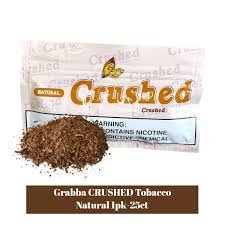
Grabba is a widely recognized name in the herbal product market, often associated with flavored herbal blends, wraps, and smoking products. While the term itself can refer to several different things depending on context — from herbal rolling wraps to cannabis culture slang — it generally denotes products made from herbs and botanicals designed for smoking or aromatic use. Grabba blends often feature cannabis leaf or hemp leaf wrappers infused with natural ingredients to create a flavorful, aromatic experience that many users prefer over traditional tobacco products. Over time, “Grabba” has become deeply embedded in various cultural expressions, especially within music and lifestyle communities where product references appear in songs, social media, and everyday conversations. Because Grabba products sit at the intersection of culture, commerce, and consumption, understanding their origins, composition, uses, benefits, and potential risks requires careful and thoughtful discussion. In this article, we’ll explore what Grabba actually is, how it’s made, the communities that use it, legal and health considerations, differences from other products, and the larger cultural conversations that surround it. Whether approached from a cultural, commercial, or consumer wellness perspective, Grabba represents a fascinating case study in how products evolve within society and why they garner both popularity and controversy.
What Is Grabba? Origins and Definitions
The word “Grabba” does not have a single universal definition — its meaning can vary by region, community, and product category. In general use, Grabba refers to herbal wrappers, leaf blends, or smoking wraps made from natural materials like hemp, cannabis leaf, or other plant matter that is cured and treated to be used like a wrap, similar to a cigar or blunt wrap. Unlike conventional tobacco products, Grabba wraps are typically marketed as tobacco‑free, flavored, and crafted from botanical leaf material. The term gained popularity in cannabis culture as a descriptor for products that provide a richer, fuller leaf wrap experience compared to standard rolling papers or blunt wraps that contain tobacco or additives. As the cannabis and hemp industry expanded — particularly with legalization movements in some U.S. states and around the world — so too did specialty products like Grabba, which appeal to users who want a distinct flavor profile, slower burn rate, and unique smoking experience. Because Grabba products are often sold as herbal blends or wraps rather than tobacco or nicotine products, they sometimes bypass certain regulations that apply to conventional cigarettes or tobacco wraps — which has implications for both marketing and legal status.
Composition and How Grabba Is Made
Grabba products are usually made from natural plant materials that have been cured, dried, and processed into usable leaf wrappers or blends. Common base materials include hemp leaf, cannabis leaf, or other botanical leaves that can be rolled like a cigar or blunt. The leaves are often infused with flavorings, terpenes, or natural extracts to create specific tastes and aromas, such as fruit, mint, spice, or other signature blends. Because the leaves are larger and heavier than standard rolling paper, Grabba wraps tend to be thicker and burn more slowly, which many users find desirable for a longer session and more flavorful smoke. The manufacturing process typically involves selecting mature leaf material, washing or drying it to remove impurities, flavoring it with natural or botanically derived extracts, and forming it into sheets or wraps that can be rolled around herbal blends or smoking material. Unlike traditional cigars that contain cured tobacco, Grabba wraps emphasize plant‑based ingredients without nicotine, although the plant matter used can still contain trace cannabinoids depending on the source material. While the exact manufacturing techniques vary by brand and producer, the general goal is to create a tobacco‑free, flavorful, slower‑burning wrap that enhances the smoking experience without the additives or harshness associated with cigarette tobacco products.
How Grabba Is Used and Consumed
Grabba products are most commonly used as wrappers for smoking blends, where the user places their chosen smoking material — often herbal blends, hemp flower, or legal CBD mixtures — inside the leaf wrap and rolls it similarly to how a blunt or cigar is prepared. Because the wraps are thicker and leaf‑based, they provide a distinct texture and flavor that differs from thin rolling papers or tobacco‑based blunt wraps. Some users prefer Grabba wraps because they provide a slower, cooler burn, which can enhance the flavor of the material inside and create a more relaxed smoking experience. In groups or social settings, Grabba wraps are sometimes shared among friends in cultural ceremonies, celebratory contexts, or musical gatherings. It’s worth noting that not all Grabba products are intended to carry psychoactive substances — some are marketed simply as herbal smoking alternatives or aromatic wraps for incense‑like experiences. The ways people consume Grabba often depend on local laws, cultural norms, and personal preferences, ranging from casual recreational use to ceremonial or communal sharing.
Cultural Significance and Pop Culture References
One reason Grabba has grown in recognition is its presence in music, particularly in hip‑hop culture, where references to Wraps, Blunts, and herbal smoking products appear frequently in lyrics, videos, and lifestyle imagery. Artists and fans alike have used terms like “Grabba” in artistic expression, which has reinforced the product’s visibility and social identity. This cultural adoption showcases how products can move beyond their functional use to become symbols within certain communities — symbols of lifestyle, relaxation, celebration, or identity. In some regions, Grabba has become shorthand for a particular type of smoking experience — one that is perceived as richer, more flavorful, and more distinctive compared to mainstream tobacco products. These cultural connotations have contributed to its popularity among younger demographics and music‑centered communities, creating a feedback loop where media references increase consumer interest and vice versa.
Differences Between Grabba and Other Smoking Products
While Grabba is often compared to traditional wraps or rolling papers, there are key differences worth highlighting. Standard rolling papers are usually thin sheets made from rice, hemp, or wood pulp that are used to roll tobacco or other smoking materials. These papers burn relatively quickly and are chosen for their neutrality and simplicity. Grabba wraps, on the other hand, are much thicker leaf materials, often flavored, larger in surface area, and designed for a slower, more flavorful burn. They are similar in form to blunt wraps, but while blunt wraps frequently contain tobacco leaf and nicotine, Grabba wraps usually emphasize tobacco‑free botanical leaf, emphasizing herbal or hemp origins. The choice between these products depends on user preference, desired flavor, length of smoking session, and legal considerations — especially in regions where tobacco and cannabis laws differ significantly. This difference is important for both consumers and regulators, especially as the legal landscape around smoking products evolves.
Legal and Regulatory Considerations
The legality of Grabba products varies widely depending on location, local laws, and how the product is marketed. Because many Grabba wraps are made from tobacco‑free materials like hemp or other botanicals, they may be regulated differently from tobacco products in certain jurisdictions. In regions where recreational cannabis remains illegal, Grabba wraps that do not contain THC may be legal even if using hemp leaf or CBD material. Conversely, in places where smoking products of any kind are heavily regulated — including flavored wraps or herbal blends — Grabba products may fall under broader restrictions. The specific regulatory environment affects how these products can be sold, advertised, and consumed. Some countries have strict rules on flavored smoking products or herbal wraps that mimic tobacco products, while others may allow hemp‑based products but regulate their THC content. This patchwork of legal frameworks means consumers and sellers must pay careful attention to local laws to ensure compliance, particularly in countries with emerging cannabis and hemp markets.
Health and Safety Considerations
Like all smoking products, Grabba wraps and blends carry health risks associated with inhalation of smoke. Even when tobacco‑free, burning plant material produces tar, carbon monoxide, and other byproducts that can affect respiratory health. The absence of nicotine does not eliminate risks, because smoke inhalation itself can irritate the lungs and airways. Some users may perceive herbal wraps as safer because they avoid tobacco and nicotine, but medical professionals emphasize that smoke inhalation of any kind carries health implications, especially with frequent or heavy use. Consumers should be aware of the difference between perceived naturalness and actual safety — natural herbal materials still produce combustion byproducts. In contrast, vaping and other smoking alternatives bring their own risks and regulatory concerns. Therefore, individuals interested in Grabba products should consider health guidance from medical authorities, monitor personal consumption habits, and understand that “natural” does not always equate to “safe.”
Social Use Patterns and Community Perspectives
The way people use and talk about Grabba often reflects wider social patterns around relaxation, community, and ritual. In many social circles, sharing a Grabba wrap can be part of a communal experience, often associated with music, art, or gatherings where participants value slow, shared rituals over quick individual use. This communal aspect distinguishes it from solitary smoking habits and ties the product to shared social rituals. In other communities, Grabba may be associated with artistic identity, creativity, or lifestyle branding, where the product becomes a symbol of belonging or cultural expression. These social patterns vary widely by region, age group, and local norms — and they often intersect with larger conversations about wellness, social connection, and cultural identity.
Commercial Market and Industry Trends
The market for Grabba and similar herbal wraps has grown alongside broader trends in the cannabis, hemp, and alternative smoking industries. As legal cannabis markets expand in parts of North America, Europe, and other regions, demand for specialty products like Grabba — particularly hemp‑based, flavored wraps — has increased. Retailers and manufacturers capitalize on brand differentiation, offering a range of wraps, flavors, and bundle options that appeal to diverse consumer preferences. This commercial growth has prompted innovation in packaging, flavor infusion, and product design, with some brands emphasizing environmental sustainability, organic ingredients, and artisanal production methods. Industry trends also reflect wider shifts in consumer behavior, where users increasingly seek natural alternatives to tobacco, novel sensory experiences, and products that align with lifestyle values such as sustainability and wellness. Market research firms track these trends as part of the broader hemp and CBD sectors, highlighting a growing niche for specialized wraps, smoking accessories, and botanical blends.
Criticisms and Controversies
Despite its popularity in certain communities, Grabba is not without criticism. Health experts caution against any form of smoking due to the risks of inhaling combustion byproducts, and some critics argue that compressed branding around products like Grabba may glamorize smoking behavior — especially among younger audiences. Regulatory bodies in certain countries have taken issue with flavored wraps and herbal smoking products, citing concerns about youth appeal and potential gateway effects, even if products are tobacco‑free. Additionally, debates persist about whether marketing should more explicitly communicate health risks and differentiate clearly between hemp‑based wraps and products containing nicotine or THC. These controversies intersect with broader public health discussions about how smoking products of any kind should be regulated, advertised, and made available to consumers.
Alternatives to Grabba and Related Products
For individuals interested in exploring alternatives, several categories exist that provide different experiences with varying health, cultural, and legal implications. Traditional rolling papers remain widely used for tobacco or herbal blends and come in materials like rice, hemp, or wood pulp. Tobacco wraps or blunt wraps offer a more conventional cigar‑like experience but contain nicotine and carry different health risks. For those seeking non‑combustion alternatives, vaporization (vaping) and smokeless herbal products offer options that avoid combustion altogether, though they come with their own regulatory and safety considerations. Individuals looking for aromatherapy or sensory experiences without inhalation often turn to incense, herbal teas, or essential oil diffusers, which provide aromatic engagement without the risks of smoking. Understanding these alternatives helps consumers make informed choices based on personal values, health considerations, and legal status in their region.
The Future of Grabba and Evolving Consumer Landscapes
Looking forward, the future of Grabba products will be shaped by several key trends. Ongoing changes in cannabis and hemp legalization — particularly at state, national, and international levels — will influence how these products are manufactured, marketed, and regulated. Consumer preferences for natural, artisanal, and customizable products are likely to drive continued innovation in wraps, flavors, and hybrid blends. Advancements in botanical processing technologies could improve consistency, aroma profiles, and user experience, while sustainability movements may encourage eco‑friendly packaging and responsible sourcing practices. Public health research and regulatory decisions will also play a major role in determining how accessible these products are and how they are labeled to communicate health considerations effectively. As the landscape evolves, Grabba will remain part of a larger conversation about how communities interact with plant‑based products, cultural identity, lifestyle branding, and consumer choice in an increasingly complex global market.
Conclusion
Grabba represents a compelling intersection of product innovation, cultural identity, and consumer lifestyle. While its exact definition varies depending on context — from herbal wraps to botanical smoking blends — its presence in both niche communities and wider markets reflects broader trends in alternative consumption, branding creativity, and cultural expression. Understanding Grabba requires a nuanced perspective that considers composition, health implications, legal contexts, commercial dynamics, social usage patterns, and evolving industry trends. Like many products that cross lines between culture, commerce, and personal use, it carries both appeal and controversy, and its future will continue to be shaped by changing laws, consumer preferences, and cultural attitudes. Whether approached from a health‑aware lens, a cultural studies perspective, or an industry and branding viewpoint, Grabba serves as a reminder of how products can acquire meaning far beyond their physical form — becoming symbols of lifestyle, identity, and community in a constantly changing world.
FAQs
What exactly is Grabba?
“Grabba” generally refers to herbal leaf wraps or botanical smoking wraps made from plant leaf like hemp or cannabis leaf that are used as smokers’ wraps, often flavored and marketed as tobacco‑free smoking alternatives.
Is Grabba the same as tobacco?
No. Traditional Grabba wraps are made from herbal plant leaf and usually do not contain tobacco or nicotine — though products may vary by brand and region.
Is Grabba legal?
Legality depends on local laws. In many regions, tobacco‑free wraps made from hemp leaf are legal, while products containing nicotine or THC are regulated differently. Always check local regulations before purchasing or using such products.
Is smoking Grabba safer than smoking cigarettes?
While Grabba wraps may avoid tobacco and nicotine, any form of smoke inhalation carries health risks, including damage to lungs and airways due to combustion byproducts. “Tobacco‑free” does not automatically mean “safe.”
Can anyone use Grabba products?
Usage should comply with local age and tobacco product laws. Even tobacco‑free smoking products often require users to be of legal age.
Are there alternatives to Grabba?
Yes. Alternatives include traditional rolling papers (hemp, rice, etc.), tobacco wraps, smokeless herbal products, vaporization devices, and aromatherapy options for those avoiding smoke inhalation.



Leave a Reply