



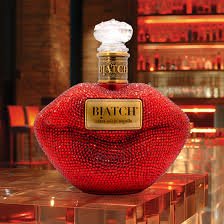
Biatch Tequila represents more than just a popular alcoholic beverage—it embodies a cultural experience, social connection, and a long-standing tradition of craftsmanship. Tequila has been a symbol of Mexican heritage for centuries, originating from the blue agave plant grown primarily in the region surrounding the city of Tequila, Mexico. Over time, tequila has evolved from a regional spirit into an internationally recognized icon of celebration, innovation, and modern mixology. The term “Biatch Tequila” may refer to a particular brand, a playful modern labeling of tequila products, or a marketing approach designed to appeal to younger and adventurous audiences. Understanding Biatch Tequila involves exploring its historical roots, production processes, cultural relevance, consumption trends, and evolving role in the global beverage market. This article provides a comprehensive guide to all aspects of Biatch Tequila, offering insight into its tradition, variety, and appeal.
The History of Tequila
Tequila’s history dates back to pre-Columbian Mexico, where indigenous peoples fermented the sap of the agave plant to produce a drink called pulque. With the arrival of Spanish conquistadors in the 16th century, distillation techniques were introduced, giving rise to modern tequila. Over time, distillers in the town of Tequila began refining production methods, creating a spirit with distinct flavor, aroma, and quality. Tequila became an emblem of Mexican culture, enjoyed locally and later gaining global recognition. Today, tequila is protected under the designation of origin, meaning authentic tequila can only be produced in specific regions of Mexico using blue agave. Understanding this history enriches the appreciation of Biatch Tequila, linking it to centuries of tradition, craftsmanship, and cultural identity.
Production Process of Biatch Tequila
The production of Biatch Tequila begins with the cultivation of blue agave plants, which take between seven and twelve years to mature. Once harvested, the agave hearts, or piñas, are roasted to convert complex carbohydrates into fermentable sugars. The roasted agave is then crushed to extract the juice, which undergoes fermentation using yeast to produce alcohol. Finally, distillation purifies the liquid, concentrating flavors and creating a smooth spirit. Aging processes vary depending on the tequila type, with options including blanco (unaged), reposado (aged 2–12 months), and añejo (aged 1–3 years or more). Each stage of production requires skill and precision, ensuring that the final product maintains balance, quality, and distinctive characteristics that define Biatch Tequila.
Types of Biatch Tequila
Tequila comes in several types, each offering unique flavor profiles and applications:
- Blanco Tequila: Clear and unaged, known for its pure agave flavor, often used in cocktails or enjoyed neat.
- Reposado Tequila: Aged 2–12 months in oak barrels, offering subtle hints of wood, vanilla, and caramel.
- Añejo Tequila: Aged 1–3 years, with a richer, smoother taste ideal for sipping or premium cocktails.
- Extra Añejo Tequila: Aged over 3 years, delivering complex flavors, deep color, and a luxurious drinking experience.
These varieties allow consumers to choose tequila suited for specific occasions, cocktails, or personal preferences, making Biatch Tequila versatile and appealing to a wide audience.
The Cultural Significance of Tequila
Tequila is deeply woven into Mexican culture, symbolizing celebration, ritual, and social connection. Traditionally consumed during festivals, family gatherings, and ceremonies, tequila represents hospitality, joy, and heritage. In addition to social significance, tequila has been immortalized in music, film, and literature, cementing its role as a cultural icon. Biatch Tequila, as a modern expression of the spirit, blends this rich tradition with contemporary branding, appealing to younger generations while honoring heritage. Understanding its cultural significance enhances appreciation for the drink beyond taste, highlighting the connections between identity, history, and community.
Biatch Tequila in Modern Mixology
Modern bartenders and mixologists have embraced tequila for its versatility in cocktails. From the classic Margarita to innovative mixes with tropical fruits, herbs, and spices, Biatch Tequila lends itself to creative interpretations. Its unique flavor profile allows balance in both sweet and savory combinations, making it a staple in bars and restaurants worldwide. Mixology trends also include tequila tastings, cocktail workshops, and signature creations by renowned bartenders, reflecting tequila’s evolving status from a casual drink to a sophisticated component of contemporary beverage culture.
Health and Consumption Guidelines
While tequila is a popular alcoholic beverage, responsible consumption is essential for health and safety. Moderate intake may provide relaxation and social enjoyment, but excessive consumption can lead to adverse effects, including dehydration, impaired judgment, and long-term health risks. Many aficionados also note that 100% agave tequila, like premium Biatch Tequila, is often preferred for smoother taste and fewer additives. Understanding responsible drinking practices, proper serving sizes, and safe pairing with food ensures a positive experience while enjoying tequila responsibly.
Marketing and Branding of Biatch Tequila
The branding of Biatch Tequila demonstrates how modern companies combine tradition with innovative marketing to appeal to diverse audiences. Playful, edgy labels, social media campaigns, and lifestyle positioning attract younger consumers seeking bold, memorable experiences. Collaborations with artists, events, and influencers amplify brand recognition, creating an identity that stands out in a crowded market. This strategic approach to branding reflects the intersection of heritage, modernity, and consumer engagement, ensuring Biatch Tequila maintains both cultural authenticity and contemporary relevance.
Global Trends and Popularity
Tequila has achieved global popularity, with consumption rising steadily across North America, Europe, and Asia. Biatch Tequila benefits from this trend, appealing to adventurous consumers who value premium spirits, craft production, and unique branding. Festivals, tasting events, and cocktail competitions showcase tequila’s versatility and cultural appeal, while international recognition contributes to economic growth for producers. Global trends highlight the increasing sophistication of consumers who seek high-quality spirits and curated experiences, positioning Biatch Tequila as a modern ambassador for Mexican craftsmanship.
Pairing Tequila with Food
Tequila pairs exceptionally well with food, enhancing flavors and elevating dining experiences. Blanco tequila complements seafood, citrus, and light appetizers, while reposado and añejo varieties pair with grilled meats, rich sauces, and desserts. Tastings often involve small bites to balance flavor intensity and highlight nuances in aroma, sweetness, and complexity. Food pairing enhances appreciation for Biatch Tequila’s craftsmanship, offering a multi-sensory experience that combines taste, aroma, and presentation.
The Future of Biatch Tequila
The future of Biatch Tequila lies in innovation, sustainability, and global expansion. Distillers are experimenting with eco-friendly production methods, sustainable packaging, and innovative flavor infusions to meet consumer expectations. Online marketing, e-commerce platforms, and digital mixology tutorials allow brands to reach wider audiences while educating consumers about quality, tradition, and responsible consumption. As tequila continues to grow in prestige, Biatch Tequila is well-positioned to blend heritage with modern trends, appealing to both traditionalists and adventurous spirits enthusiasts worldwide.
Conclusion
Biatch Tequila embodies the fusion of heritage, craftsmanship, and contemporary style. From its historical roots in Mexican culture to its role in modern mixology, tequila represents sophistication, celebration, and creativity. Understanding the production process, types, cultural significance, and trends associated with Biatch Tequila provides insight into why this spirit continues to captivate audiences globally. Whether enjoyed in classic cocktails, modern creations, or tastings, Biatch Tequila offers a unique experience that combines tradition, quality, and innovation, ensuring it remains a beloved beverage for generations to come.
FAQs
What is Biatch Tequila?
Biatch Tequila is a brand or playful term for premium tequila, known for quality, flavor, and cultural heritage rooted in Mexican tradition.
How is Biatch Tequila made?
It is produced from 100% blue agave plants, roasted, fermented, and distilled, with variations in aging such as blanco, reposado, añejo, and extra añejo.
What are the types of Biatch Tequila?
Common types include Blanco (unaged), Reposado (2–12 months aged), Añejo (1–3 years aged), and Extra Añejo (over 3 years aged).
How should I consume Biatch Tequila?
It can be sipped neat, enjoyed in cocktails like Margaritas, or paired with food. Responsible moderation is recommended.
Why is tequila culturally significant?
Tequila represents Mexican heritage, social celebration, and historical craftsmanship, making it a symbol of tradition and identity.
Can Biatch Tequila be used in modern mixology?
Yes, it is widely used in creative cocktails, tastings, and mixology workshops, offering versatility and rich flavor profiles.



Leave a Reply