


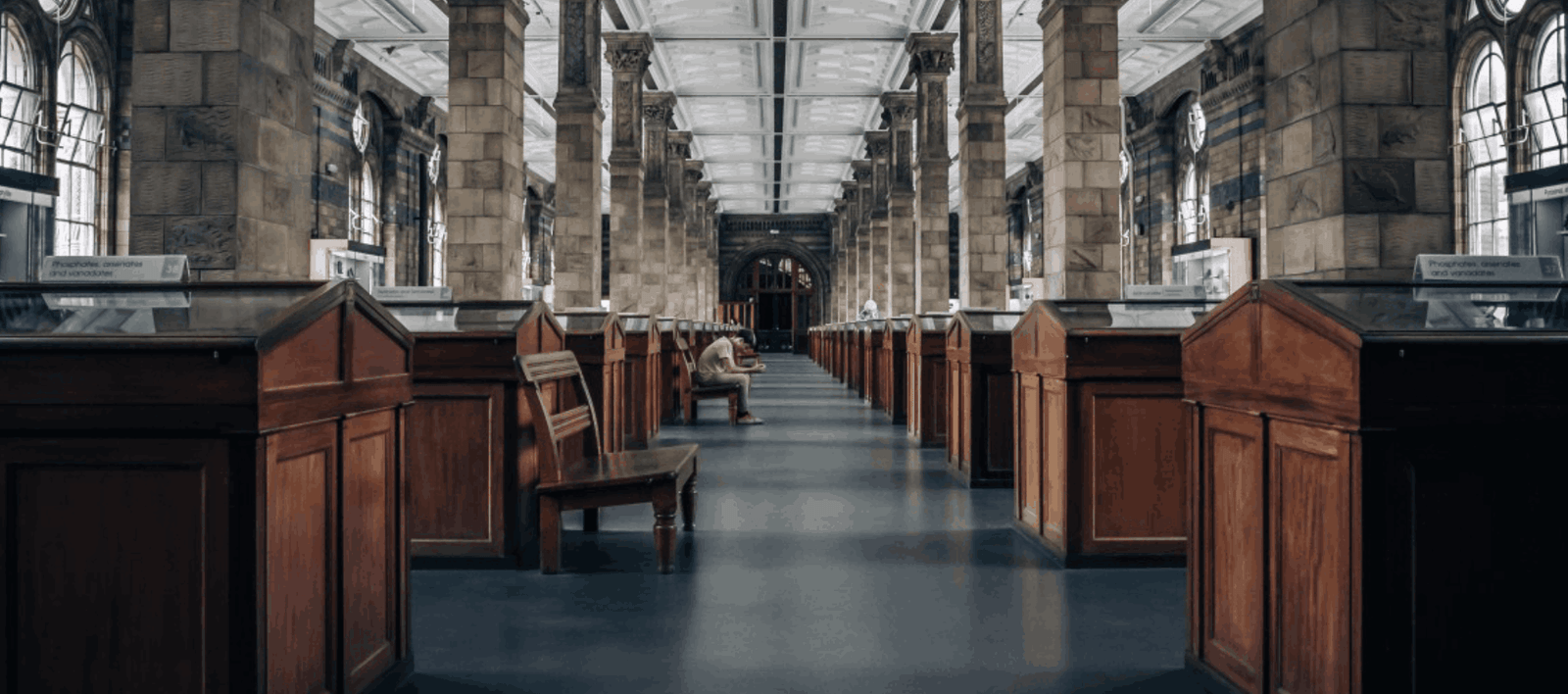

Beit Bart is a name that resonates with cultural heritage, historical significance, and contemporary relevance. Whether as a physical location, cultural institution, or community initiative, Beit Bart represents a convergence of tradition, modernity, and identity. The significance of Beit Bart lies not only in its historical or architectural features but also in its role as a living cultural hub that connects past narratives with present-day engagement. Exploring Beit Bart involves examining its origins, historical context, architectural and cultural significance, community role, and evolving relevance in contemporary society. This comprehensive guide aims to provide readers with a detailed understanding of Beit Bart, highlighting its impact on culture, education, and social cohesion.
Historical Background and Origins
Beit Bart traces its roots to a specific historical context, often tied to regional development, architectural innovation, or community formation. Understanding its origins requires exploring the socio-political and cultural circumstances that shaped its establishment. The historical narrative may include insights into influential figures, founding families, or key events that contributed to its creation. Over time, Beit Bart has witnessed transformations in function, ownership, and cultural significance, reflecting broader societal changes. This historical perspective provides a foundation for appreciating its present role and ongoing importance in preserving cultural heritage.
Architectural Significance
The architectural design of Beit Bart showcases a blend of historical styles, regional influences, and functional considerations. It may feature distinctive elements such as traditional craftsmanship, decorative motifs, spatial organization, and innovative construction techniques. The structure often embodies the values, aesthetic sensibilities, and practical needs of the era in which it was built. Architectural preservation and adaptive reuse have enabled Beit Bart to maintain its historical integrity while accommodating modern requirements. Studying its architectural features offers insight into both the technical mastery of past builders and the evolving interpretation of cultural heritage in contemporary contexts.
Cultural and Community Role
Beyond its historical and architectural significance, Beit Bart serves as a center for cultural engagement and community activity. It may host exhibitions, educational programs, workshops, or social gatherings that foster cultural awareness and creative expression. By providing a space for communal interaction, Beit Bart strengthens social cohesion, encourages dialogue, and nurtures a sense of shared identity. Its role as a cultural hub ensures that heritage is not static but actively contributes to contemporary cultural life, bridging generations and promoting continuity of traditions while embracing innovation.
Preservation Efforts and Challenges
Preserving Beit Bart involves navigating challenges such as structural degradation, environmental factors, funding constraints, and evolving urban development. Restoration projects, conservation strategies, and community involvement are critical to maintaining its physical and cultural integrity. Preservation efforts often require collaboration between historians, architects, local authorities, and cultural organizations. Balancing historical authenticity with modern functionality is an ongoing challenge, highlighting the complexity of sustaining heritage sites in rapidly changing social and urban landscapes.
Educational and Interpretive Initiatives
Beit Bart plays a pivotal role in education and cultural interpretation, providing resources and programs that enhance public understanding of history, art, and architecture. Guided tours, informational displays, workshops, and interactive programs engage diverse audiences, from students to scholars to casual visitors. Educational initiatives focus on connecting the tangible aspects of Beit Bart with broader historical, social, and cultural narratives. By fostering learning and curiosity, these initiatives ensure that Beit Bart remains relevant and accessible to contemporary audiences, promoting lifelong engagement with heritage.
Integration with Modern Society
In addition to preserving its historical and cultural essence, Beit Bart has adapted to modern societal needs. It may incorporate digital technologies, online resources, and contemporary programming to reach wider audiences. This integration allows Beit Bart to maintain relevance in an increasingly connected and technologically driven world. By blending tradition with innovation, it demonstrates how heritage sites can evolve without compromising identity, offering meaningful experiences that resonate with modern visitors while honoring historical roots.
Tourism and Economic Impact
Beit Bart contributes to local and regional tourism by attracting visitors interested in culture, history, and architecture. Tourism generates economic benefits, supporting local businesses, creating employment opportunities, and stimulating investment in surrounding areas. The site’s appeal as a cultural destination enhances its visibility, promoting heritage appreciation and community pride. Effective management of tourism ensures sustainable engagement, balancing visitor access with conservation priorities to protect the site for future generations.
Global and Cross-Cultural Significance
While rooted in a specific local context, Beit Bart also holds broader significance for global audiences interested in history, architecture, and cultural preservation. Comparative studies and cross-cultural exchanges highlight universal themes such as community identity, heritage conservation, and adaptive reuse. By participating in international dialogues and collaborations, Beit Bart contributes to a global understanding of cultural heritage, demonstrating the interconnectedness of human history and shared responsibility for preservation.
Future Prospects and Sustainability
The future of Beit Bart depends on sustainable management, continued preservation, and active cultural programming. Strategic planning, innovative funding models, and community engagement are essential to ensure its longevity. Emphasizing sustainability includes environmental considerations, educational outreach, and technological integration. By envisioning a future that balances heritage, innovation, and social impact, Beit Bart can continue to serve as a vibrant cultural hub that inspires, educates, and connects people across generations.
FAQs
What is Beit Bart?
Beit Bart is a historically and culturally significant site that serves as a center for heritage, education, and community engagement.
Where is Beit Bart located?
The specific location may vary depending on regional context, but it is often situated in areas of historical and cultural importance.
What activities take place at Beit Bart?
Beit Bart hosts educational programs, cultural events, exhibitions, workshops, and community gatherings that promote engagement with heritage.
How is Beit Bart preserved?
Preservation involves structural restoration, conservation strategies, community involvement, and sustainable management practices.
Why is Beit Bart significant today?
It bridges historical heritage with contemporary cultural life, providing educational value, tourism opportunities, and community engagement.
Conclusion
Beit Bart exemplifies the fusion of historical heritage, cultural significance, and modern relevance. By preserving architectural and historical integrity while embracing contemporary programming and technology, it remains a vital space for education, community interaction, and cultural appreciation. Its impact extends beyond physical boundaries, influencing local, regional, and global understandings of heritage preservation and cultural identity. Through ongoing engagement, strategic planning, and sustainable practices, Beit Bart continues to serve as a model for how historical and cultural institutions can thrive in the modern world, connecting past, present, and future generations.



Leave a Reply