



The tradition of Elf on the Shelf has become a cherished holiday activity for families worldwide, blending creativity, imagination, and festive excitement into a single playful experience. This tradition involves a small elf doll “sent” by Santa Claus to observe children’s behavior during the holiday season and report back each night. Every morning, the elf appears in a new location, creating a sense of anticipation, surprise, and wonder for children as they search for its new hiding spot. Over the years, Elf on the Shelf has evolved beyond a simple holiday game into a platform for imaginative storytelling, interactive play, and family bonding. Parents and caregivers now use the elf to create elaborate setups that range from simple, humorous positions on shelves or counters to elaborate themed scenes with props, crafts, and even digital enhancements. The appeal of Elf on the Shelf lies in its ability to spark imagination while also fostering traditions, encouraging children to engage with festive stories, practice good behavior, and participate in creative activities. By using Elf on the Shelf in imaginative ways, families can transform their homes into magical holiday environments, enhance the joy of the season, and create lasting memories that children and adults will treasure for years to come.
Classic Elf on the Shelf Setups
Classic Elf on the Shelf setups are simple, practical, and often the most beloved because they are easy to implement while still capturing the magic of the tradition. These setups typically involve placing the elf in ordinary household locations with subtle twists that surprise children, such as sitting on a bookshelf reading a tiny book, peeking out of a kitchen cabinet, or hanging from a light fixture with a mischievous expression. These scenarios create a sense of anticipation each morning, as children wake up eager to find the elf in a new position. Classic setups also provide opportunities for storytelling: parents can leave small notes from the elf, hints about the elf’s activities, or even tiny treats, encouraging children to engage in imaginative play. The simplicity of these setups allows families to maintain the tradition without requiring elaborate props or extensive preparation, while still generating excitement and fostering holiday spirit. Classic setups serve as the foundation for more creative or interactive scenarios that can be introduced later in the season.
Interactive and Playful Elf Scenarios
Interactive and playful Elf on the Shelf setups take the tradition a step further, transforming the elf into an active participant in the household environment. These setups often involve humorous or mischievous activities, such as having the elf zipline across the living room on string, hang upside down from a chandelier, or ride toy cars around the house. Parents can also set up small pranks, like placing the elf inside a cereal box, sitting in the fridge, or creating “snowball” fights with marshmallows. These interactive setups delight children because they feel like the elf is alive, exploring, and engaging with the world around them. They also encourage problem-solving and curiosity, as children may try to figure out how the elf got into its current position or anticipate where it will appear next. Playful scenarios make the elf feel like a magical companion, creating opportunities for laughter, family bonding, and the development of imaginative storytelling skills as children invent narratives about the elf’s adventures.
Holiday-Themed Elf Adventures
Holiday-themed Elf on the Shelf setups integrate the spirit of Christmas and other winter festivities into the elf’s activities, creating a festive atmosphere and encouraging engagement with seasonal traditions. Examples include having the elf decorate miniature Christmas trees, ride down a cookie tray “sledding” hill, or build snowmen with marshmallows or sugar. Some families create intricate dioramas with holiday props, small figurines, and themed signs, allowing the elf to participate in miniature winter wonderlands or North Pole-inspired scenes. Holiday-themed setups not only delight children visually but also provide opportunities to teach about the values of the season, such as generosity, gratitude, and family togetherness. By connecting the elf’s adventures to broader holiday themes, parents can create a richer, immersive experience that entertains while also encouraging children to reflect on holiday traditions, participate in festive activities, and develop a sense of seasonal wonder.
DIY and Craft-Based Elf Ideas
DIY and craft-based Elf on the Shelf ideas allow families to take the elf’s adventures to a creative and interactive level, combining play with hands-on crafting projects. Parents and children can collaborate to design tiny furniture, holiday costumes, or miniature props that enhance the elf’s daily appearances. For instance, children can help create a tiny sleigh from cardboard, make a scarf or hat for the elf, or construct a small holiday workshop using paper, glue, and markers. Craft-based setups foster creativity, fine motor skills, and problem-solving, giving children a sense of ownership in the elf’s adventures. These DIY scenes are not only visually engaging but also create memorable bonding experiences for families, as children can take pride in the props and setups they helped create. Craft-based elf setups add originality and personalization to the tradition, ensuring that each day brings new surprises and interactive fun.
Food and Treat-Based Elf Setups
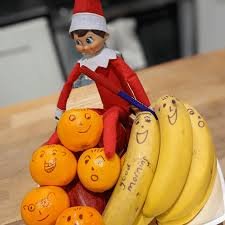
Incorporating food and treats into Elf on the Shelf setups introduces humor, whimsy, and interactivity, enhancing the elf’s playful persona. These setups often involve arranging the elf around holiday snacks, baking ingredients, or candies to create miniature culinary scenes. Examples include the elf “baking” cookies with spilled flour, caught mid-snack among candy canes, or constructing chocolate bar forts. Food-based scenarios engage children’s senses and imagination, combining visual entertainment with anticipation of treats, whether edible or symbolic. They also provide opportunities for storytelling and family interaction, as children may invent narratives around the elf’s culinary adventures or even assist in creating new edible setups. Food-based setups blend creativity, humor, and sensory engagement, making the tradition more interactive and memorable.
Teaching Lessons Through Elf on the Shelf
Beyond entertainment, Elf on the Shelf can serve as a tool to teach values, reinforce positive behavior, and encourage thoughtful actions during the holiday season. Parents can design setups where the elf leaves notes promoting kindness, generosity, gratitude, or helping others. For example, the elf may remind children to donate toys, share treats with siblings, or assist with holiday chores. These setups position the elf as a role model, subtly guiding children toward positive behaviors while maintaining a playful and magical environment. By combining festive fun with ethical lessons, the elf becomes a vehicle for teaching responsibility and mindfulness, enhancing the educational and moral dimension of the holiday tradition. This approach makes the elf a meaningful presence, encouraging children to reflect on their actions while still enjoying the whimsy and excitement of daily surprises.
Technology-Enhanced Elf on the Shelf Ideas
Modern Elf on the Shelf setups can incorporate technology to create dynamic, interactive experiences. Parents can use smartphones, cameras, or tablets to produce stop-motion videos, photo series, or digital stories featuring the elf’s daily adventures. QR codes or links can lead to holiday-themed games, virtual treasure hunts, or augmented reality experiences, expanding the elf’s narrative beyond physical spaces. Technology-enhanced setups allow for creative documentation, sharing with friends and family, and integrating multimedia storytelling elements that engage children in novel ways. These digital tools make the elf’s adventures more immersive, provide opportunities for creative expression, and preserve memories that can be revisited year after year, blending traditional play with modern innovation.
Planning a Month of Elf on the Shelf Ideas
Successfully planning a full month of Elf on the Shelf setups requires organization, creativity, and flexibility. Parents can brainstorm ideas in advance, collect necessary props, and create a daily schedule to ensure a fresh, engaging experience throughout the holiday season. Balancing simple and elaborate setups prevents fatigue and maintains excitement for both children and parents. Household items, craft materials, and digital tools can be repurposed to reduce preparation time while enhancing creativity. Photographing each day’s scene allows families to document the elf’s journey and create lasting memories that can be shared and cherished in future years. Thoughtful planning ensures a consistent, magical experience, sustaining anticipation and engagement from the beginning of December until Christmas Day.
Frequently Asked Questions
What is Elf on the Shelf? Elf on the Shelf is a holiday tradition where a small elf observes children’s behavior, moving to a new location each night to create daily surprises during the Christmas season.
How do I come up with Elf on the Shelf ideas? Ideas can range from simple setups to elaborate interactive adventures, using household items, crafts, food, or holiday decorations to create surprises.
Can children participate in Elf on the Shelf activities? Yes, children can assist in creating props, arranging scenes, or engaging with the elf’s adventures, enhancing creativity and family bonding.
How can Elf on the Shelf teach lessons? Parents can use setups and notes from the elf to encourage values such as kindness, sharing, responsibility, and gratitude.
Is Elf on the Shelf suitable for all ages? Yes, the tradition can be adapted for children of different ages, with setups ranging from simple to complex depending on their interests and understanding.
Conclusion
Elf on the Shelf provides an imaginative and interactive way to celebrate the holiday season, blending storytelling, creativity, and family bonding into a daily tradition. From classic setups and playful adventures to holiday-themed scenes, DIY crafts, food-based scenarios, and technology-enhanced storytelling, the possibilities for engaging with the elf are endless. The tradition fosters anticipation, joy, and imagination, allowing children to develop narratives, explore festive activities, and participate in meaningful holiday experiences. By thoughtfully planning and incorporating creativity, families can make Elf on the Shelf a magical, memorable, and cherished part of their holiday celebrations, creating laughter, excitement, and lasting memories for years to come.


Leave a Reply