



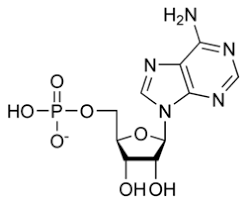
In the intricate world of molecular biology, nukleotidy—or nucleotides—play a fundamental role as the building blocks of nucleic acids, such as DNA and RNA. These microscopic molecules form the basis of genetic information, enabling life to store, replicate, and transmit hereditary material across generations. Beyond their role in genetics, nucleotides are also involved in numerous cellular processes, including energy transfer, signal transduction, and enzymatic reactions. Understanding nukleotidy is critical not only for students and researchers in biology and medicine but also for anyone interested in the molecular mechanisms that sustain life. This article explores nukleotidy in depth, covering their chemical structure, types, biological roles, synthesis pathways, energy dynamics, involvement in cell signaling, research applications, and relevance in medicine and biotechnology. By examining these components comprehensively, readers will gain insight into why nucleotides are indispensable to life, how they function within cells, and their broader implications for health, technology, and scientific innovation.
Structure and Composition of Nucleotides
Nukleotidy consist of three primary components: a nitrogenous base, a five-carbon sugar (either ribose or deoxyribose), and one or more phosphate groups. The nitrogenous base can be classified as a purine (adenine or guanine) or a pyrimidine (cytosine, thymine, or uracil), determining the specific pairing and coding properties in DNA and RNA. The sugar molecule connects to the nitrogenous base via a glycosidic bond, and phosphate groups link nucleotides together through phosphodiester bonds, forming the backbone of nucleic acid strands. The chemical arrangement of nucleotides enables the double-helix structure of DNA, the single-stranded but folded structures of RNA, and the ability to store and convey precise genetic instructions. The modularity of nucleotides also allows for flexibility in biochemical reactions, enabling their participation in energy transfer (as in ATP), signaling (as in cAMP), and enzymatic cofactor functions. Understanding their structure provides insight into how molecular information is organized, transmitted, and manipulated at the cellular level.
Types of Nucleotides and Their Functions
Nucleotides can be broadly categorized based on their roles in nucleic acids, energy metabolism, or cellular signaling. DNA nucleotides, which include adenine, guanine, cytosine, and thymine, are responsible for encoding genetic information. RNA nucleotides replace thymine with uracil and are essential for transcription, translation, and gene regulation. Energy-carrying nucleotides, such as adenosine triphosphate (ATP) and guanosine triphosphate (GTP), store and transfer energy to drive cellular processes, including muscle contraction, active transport, and biosynthesis. Secondary messenger nucleotides like cyclic AMP (cAMP) and cyclic GMP (cGMP) transmit extracellular signals into cellular responses, regulating processes such as hormone signaling, ion channel activation, and metabolic control. Additionally, nucleotides serve as cofactors for enzymatic reactions, facilitating critical biochemical transformations. This diverse functionality underscores the centrality of nukleotidy in sustaining life at both genetic and biochemical levels.
Nucleotide Synthesis and Metabolism
Cells synthesize nucleotides through de novo pathways or salvage pathways, ensuring a continuous supply for nucleic acid assembly and metabolic functions. De novo synthesis involves creating nucleotides from basic precursors like amino acids, carbon dioxide, and ribose-5-phosphate, while salvage pathways recycle free bases or nucleosides from degraded nucleic acids. Enzymes such as amidophosphoribosyltransferase, ribonucleotide reductase, and kinases orchestrate these pathways, regulating nucleotide pools to match cellular demand. Imbalances in nucleotide synthesis can lead to genomic instability, impaired replication, and metabolic disorders. Furthermore, the regulation of nucleotide metabolism is tightly linked to energy homeostasis, as the synthesis of purine and pyrimidine nucleotides consumes significant cellular ATP. Understanding these pathways is crucial for developing therapeutic interventions, including chemotherapy, antiviral treatments, and metabolic regulation strategies.
Role in DNA and RNA Structure and Function
Nukleotidy are essential for forming the backbone and coding sequences of DNA and RNA. In DNA, nucleotides pair via hydrogen bonds—adenine with thymine, guanine with cytosine—creating the stable double-helix structure that stores hereditary information. In RNA, nucleotides support diverse functions such as messenger RNA (mRNA) for carrying genetic instructions, ribosomal RNA (rRNA) for protein synthesis, and transfer RNA (tRNA) for decoding codons during translation. Modifications in nucleotide sequences influence gene expression, protein folding, and enzymatic activity, while errors in nucleotide incorporation or repair mechanisms can lead to mutations, cancer, and genetic disorders. The complementary and sequential arrangement of nucleotides ensures accurate replication, transcription, and translation, which are fundamental to cellular survival and adaptation. This illustrates the critical link between nucleotide structure and the fidelity of biological processes.
Energy Transfer and Biochemical Roles
Adenosine triphosphate (ATP) and related nucleotides function as universal energy carriers, driving endergonic reactions in the cell. Hydrolysis of ATP releases phosphate groups, providing energy for muscle contraction, active transport across membranes, biosynthetic reactions, and signal transduction. Guanosine triphosphate (GTP) similarly provides energy for protein synthesis and signal transduction pathways. Nucleotides also serve as precursors for coenzymes, including NAD+, FAD, and CoA, which facilitate oxidation-reduction reactions and metabolic cycles like glycolysis, the citric acid cycle, and fatty acid metabolism. This dual role as structural building blocks and energy carriers emphasizes the versatility of nukleotidy, highlighting their indispensable function in maintaining cellular life and supporting biochemical complexity.
Nucleotides in Cell Signaling
Beyond their structural and energetic roles, nucleotides act as signaling molecules that regulate a wide array of cellular processes. Cyclic nucleotides such as cAMP and cGMP function as secondary messengers, transmitting extracellular signals from hormones, neurotransmitters, and growth factors to intracellular targets. These molecules activate protein kinases, modulate ion channels, and regulate gene expression, influencing cell proliferation, differentiation, and metabolism. Additionally, nucleotide-binding proteins like G-proteins and ATP/GTP-binding enzymes integrate signaling pathways to maintain homeostasis. Disruptions in nucleotide-mediated signaling can lead to metabolic disorders, cancer progression, and neurological diseases. Understanding these mechanisms provides insight into therapeutic targets and the development of pharmacological agents that manipulate nucleotide signaling pathways.
Nucleotides in Medicine and Biotechnology
Nucleotides are central to modern medicine and biotechnology, with applications ranging from genetic research to therapeutic interventions. Synthetic nucleotides form the basis of antiviral drugs, chemotherapy agents, and gene therapy tools. For instance, nucleotide analogs can inhibit viral replication by interfering with polymerase activity, a strategy employed in treatments for HIV, hepatitis, and COVID-19. In biotechnology, nucleotides underpin polymerase chain reaction (PCR) techniques, DNA sequencing, and genome editing using CRISPR-Cas systems. Additionally, understanding nucleotide metabolism aids in the diagnosis and treatment of metabolic disorders, immunodeficiencies, and cancer. These applications illustrate the critical intersection of nucleotides with medical research, clinical treatment, and technological innovation, highlighting their significance beyond basic cellular functions.
Challenges and Research Frontiers
Despite extensive knowledge of nukleotidy, challenges remain in understanding their nuanced roles in cellular physiology, disease mechanisms, and therapeutic interventions. Research continues into nucleotide modifications, epigenetic regulation, and the impact of nucleotide imbalances on metabolic diseases. Advances in structural biology, high-throughput sequencing, and molecular imaging allow scientists to study nucleotide interactions, enzyme specificity, and signal transduction pathways in unprecedented detail. Additionally, synthetic biology explores the design of modified nucleotides, artificial genetic systems, and nucleic acid-based nanostructures for drug delivery and bioengineering. These research frontiers promise to expand our understanding of nucleotides, offering innovative applications in medicine, biotechnology, and molecular biology.
Future Prospects of Nucleotide Research
The future of nucleotide research is poised to revolutionize genetics, therapeutics, and synthetic biology. Emerging technologies such as gene editing, RNA therapeutics, and nucleotide-based vaccines illustrate the potential of manipulating nucleotides to treat diseases, enhance immunity, and engineer novel biological systems. Personalized medicine increasingly relies on nucleotide sequencing and analysis to tailor treatments based on individual genetic profiles. Furthermore, continued exploration of nucleotide analogs, modified bases, and nucleotide-driven nanotechnologies may yield breakthroughs in drug delivery, diagnostics, and molecular computing. As research deepens, nukleotidy will remain central to understanding life, advancing healthcare, and developing innovative biotechnological solutions.
Conclusion
Nukleotidy are the cornerstone of molecular biology, serving as structural components of nucleic acids, energy carriers, and signaling molecules. Their roles in DNA and RNA formation, cellular metabolism, signal transduction, and therapeutic applications demonstrate their unparalleled importance in sustaining life and driving scientific innovation. From fundamental research to advanced biotechnology, nucleotides provide insight into genetics, disease mechanisms, and cellular processes. Understanding nukleotidy equips scientists, medical professionals, and biotechnology experts with the knowledge to manipulate, innovate, and optimize biological systems, highlighting their indispensable role in both natural and applied sciences.
Frequently Asked Questions (FAQs)
What are nukleotidy? Nukleotidy are the basic structural units of nucleic acids, consisting of a nitrogenous base, a five-carbon sugar, and one or more phosphate groups.
What roles do nucleotides play in the cell? They function as building blocks for DNA and RNA, energy carriers (ATP/GTP), and signaling molecules (cAMP/cGMP) for cellular processes.
How are nucleotides synthesized in the cell? Cells use de novo synthesis from simple precursors or salvage pathways that recycle nucleosides and bases, regulated by specific enzymes.
Why are nucleotides important in medicine? They are used in antiviral drugs, chemotherapy, genetic engineering, PCR, DNA sequencing, and nucleotide-based therapeutics.
Can nucleotides affect gene expression? Yes, nucleotide modifications and signaling molecules influence transcription, translation, and epigenetic regulation, impacting gene expression and cellular behavior.


Leave a Reply