


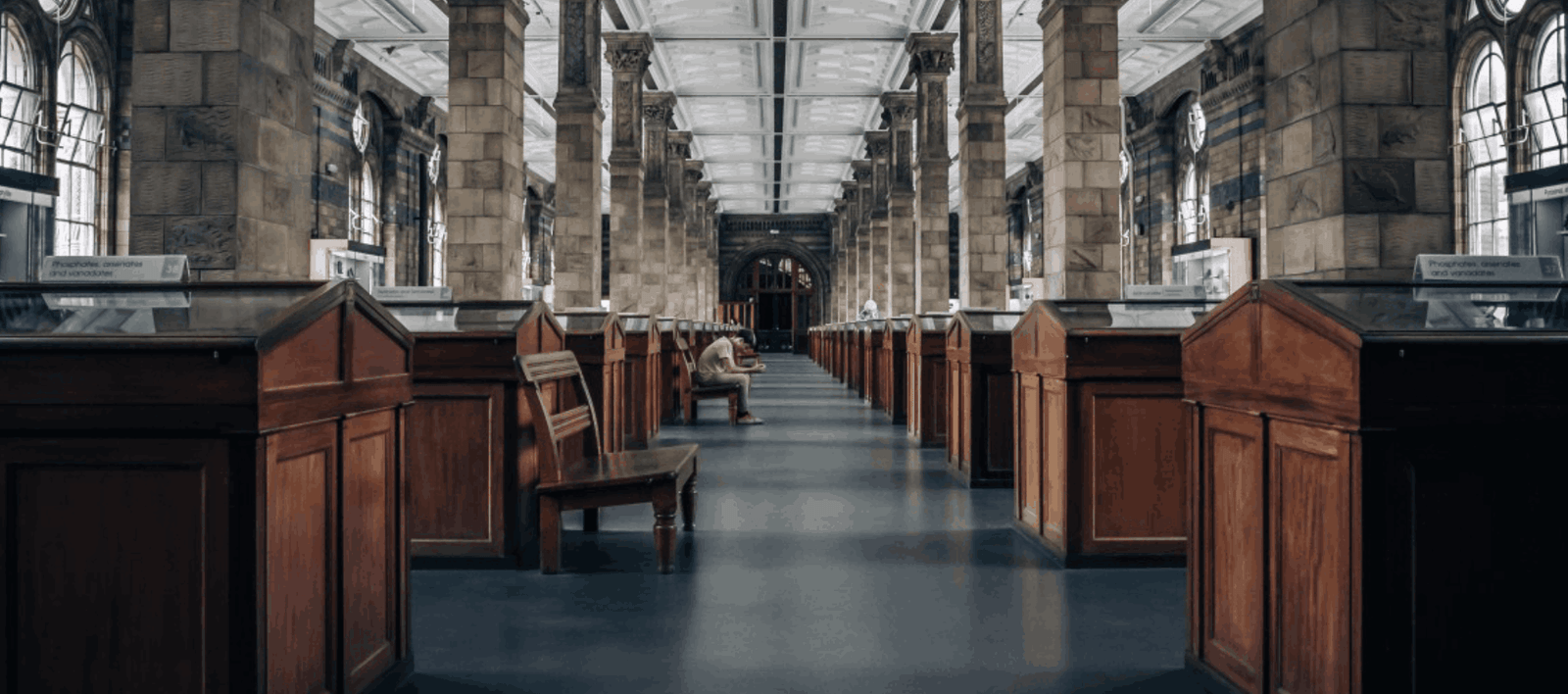

The role of a Museumsaufsicht, or museum supervisor, is a critical position in the cultural and heritage sector, ensuring that museums operate smoothly, safely, and efficiently while providing an enriching experience for visitors. This job blends responsibilities in visitor management, security, administrative support, and educational guidance, making it essential for preserving both the integrity of exhibits and the quality of visitor interactions. As museums increasingly focus on accessibility, interactive exhibitions, and visitor engagement, the Museumsaufsicht position has evolved beyond traditional supervision into a multifaceted role that requires professionalism, awareness, and adaptability. This article explores the responsibilities, qualifications, skills, challenges, career prospects, and personal fulfillment associated with a Museumsaufsicht job, providing a comprehensive understanding for anyone considering this path in the cultural sector.
Origins and Importance of the Museumsaufsicht Role
The position of Museumsaufsicht has existed for centuries in various forms, traditionally focused on guarding artworks, artifacts, and historical exhibits. However, modern museums have expanded the scope of this role to include public engagement, visitor education, and operational support. The importance of the Museumsaufsicht lies in the balance they maintain between protecting valuable collections and ensuring a positive visitor experience. Museums are not only repositories of art and history but also educational and social hubs, and the supervisor ensures that these functions operate harmoniously. Their presence deters theft, prevents damage, manages visitor behavior, and provides assistance, making them indispensable to both the administrative functioning of a museum and its public reputation.
Key Responsibilities of a Museumsaufsicht
A Museumsaufsicht’s responsibilities are diverse and require both vigilance and interpersonal skills. The primary duty involves monitoring exhibitions and visitors, ensuring that artwork, artifacts, and installations are protected from damage or theft. Supervisors must guide visitors, provide information about exhibits, answer questions, and enforce museum rules politely and effectively. Administrative duties may include reporting incidents, assisting in exhibition setup or teardown, and collaborating with curators or event organizers. Additionally, Museumsaufsicht staff may oversee crowd control, particularly during special events or high-traffic periods, ensuring that all visitors have a safe and enjoyable experience. They also play a role in emergency preparedness, including guiding visitors during fire drills, medical incidents, or security threats, demonstrating the multifaceted nature of this position.
Required Skills and Competencies
To excel in a Museumsaufsicht job, individuals must combine vigilance with strong interpersonal abilities. Key skills include attention to detail, which allows supervisors to detect potential threats to exhibits or visitor safety. Communication skills are essential, as supervisors interact with a diverse audience, including families, tourists, researchers, and school groups, often explaining complex historical or artistic information in an accessible manner. Conflict resolution and problem-solving skills help manage difficult situations or disputes that may arise. Familiarity with basic security technology, such as surveillance systems and alarm protocols, is increasingly valuable. Physical stamina and situational awareness are also critical, as supervisors often spend extended periods on their feet while moving around large exhibition spaces.
Educational Requirements and Training
While formal education requirements may vary depending on the museum or country, a background in art history, museum studies, cultural management, or related fields is highly advantageous for a Museumsaufsicht. Training often includes security procedures, first aid, visitor engagement strategies, and operational protocols, ensuring that supervisors are prepared for both everyday duties and unexpected events. Some museums may offer internal training programs to familiarize staff with specific exhibits, technology, and policies. Continuous professional development, including workshops, certifications, and seminars on museum trends, accessibility, and visitor management, enhances a supervisor’s effectiveness and career prospects.
Challenges of Working as a Museumsaufsicht
Although rewarding, the Museumsaufsicht role comes with challenges. One significant difficulty is managing diverse visitor behavior, which may range from casual tourists to researchers with specific needs, requiring patience and diplomacy. High-traffic periods, special exhibitions, or school groups can create stressful environments demanding rapid decision-making. Supervisors must also remain vigilant against potential threats to exhibits, such as accidental damage or theft, which can be mentally taxing. Additionally, the role may involve long hours standing or patrolling, and in some cases, irregular shifts during evenings, weekends, or public holidays, particularly in larger institutions. Despite these challenges, the role offers opportunities for professional growth, engagement with cultural content, and meaningful public interaction.
Career Advancement and Opportunities
A Museumsaufsicht position can serve as a stepping stone to broader career opportunities within the museum or cultural sector. Experienced supervisors may advance to curatorial assistant roles, educational program coordinators, exhibition managers, or security supervisors. The role also offers the chance to develop specialized expertise, such as working with conservation teams, managing digital or interactive exhibitions, or engaging in museum research projects. Networking within the museum community, participating in professional organizations, and obtaining additional qualifications can enhance career progression. For those passionate about cultural preservation and public engagement, the Museumsaufsicht job provides a foundation for a lifelong, rewarding career within museums, galleries, and heritage organizations.
Work Environment and Conditions
Museumsaufsicht positions vary depending on the type, size, and focus of the institution. Supervisors in large metropolitan museums may manage vast galleries, high visitor volumes, and complex security systems, while smaller local museums may require more personal interaction with visitors and hands-on involvement with exhibits. The work environment is often formal, requiring professional conduct, adherence to dress codes, and compliance with operational protocols. Supervisors may also assist in educational programs, guided tours, or special events, adding diversity to daily routines. The role combines both indoor duties, in exhibition halls, and occasional outdoor tasks, such as managing outdoor sculpture gardens or temporary installations.
Advantages and Personal Rewards
One of the most fulfilling aspects of a Museumsaufsicht job is the opportunity to interact with art, history, and culture daily while facilitating educational and enriching experiences for visitors. The role encourages continuous learning, engagement with cultural content, and the development of valuable professional skills in communication, organization, and security management. Supervisors often form connections with diverse audiences, including students, tourists, and researchers, contributing to meaningful public service. The sense of responsibility in safeguarding valuable collections and ensuring a positive visitor experience provides both professional satisfaction and personal accomplishment.
Future Outlook and Trends
The future of Museumsaufsicht roles is evolving alongside digital transformation and changing museum practices. Supervisors increasingly utilize digital tools, such as visitor tracking software, interactive exhibits, and mobile-guided tour technologies, to enhance engagement and operational efficiency. As museums become more inclusive and interactive, supervisors may take on expanded roles in educational programming, community outreach, and digital exhibit management. Sustainability and accessibility trends are also shaping the profession, requiring supervisors to be aware of environmental and social best practices in museum operations. This evolution indicates that the Museumsaufsicht job will continue to offer dynamic, diverse, and rewarding opportunities for individuals committed to cultural heritage and public engagement.
Conclusion
The Museumsaufsicht job is an essential, multifaceted role within the cultural and heritage sector, combining visitor engagement, exhibit protection, and operational support. Supervisors ensure that museums run smoothly, collections are safeguarded, and visitors enjoy educational and enriching experiences. While the position entails challenges such as long hours, high visitor traffic, and complex operational demands, it also offers personal and professional rewards, including engagement with art and history, skill development, and meaningful public service. As museums continue to innovate and embrace technology, the role of the Museumsaufsicht will remain central to ensuring safe, accessible, and immersive experiences for all visitors.
FAQs
What is a Museumsaufsicht job?
It is a museum supervisor role responsible for managing visitor behavior, protecting exhibits, and supporting daily museum operations.
What qualifications are needed?
A background in museum studies, art history, cultural management, or related fields is advantageous, along with training in security, visitor engagement, and operational procedures.
What skills are important for this role?
Attention to detail, communication, problem-solving, situational awareness, and interpersonal skills are essential.
What are the challenges of the job?
Challenges include managing high visitor traffic, safeguarding exhibits, long hours on your feet, and handling unexpected incidents.
What career opportunities exist for Museumsaufsicht staff?
Career progression can include roles such as curatorial assistant, exhibition manager, educational program coordinator, or museum security supervisor.



Leave a Reply