



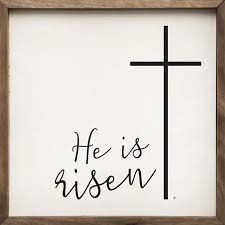
“He Is Risen” is a phrase deeply rooted in Christian tradition, proclaiming the resurrection of Jesus Christ from the dead. It symbolizes hope, renewal, and the triumph of life over death, serving as a cornerstone of Christian faith and Easter celebrations worldwide. The declaration encapsulates both theological and cultural significance, reflecting centuries of religious belief, ritual, and community observance. Beyond its religious connotations, the phrase has inspired art, literature, and music, influencing both devotional practices and popular culture. This article explores the historical background, theological interpretations, cultural impact, spiritual lessons, and contemporary relevance of “He Is Risen,” providing a comprehensive understanding of why this phrase resonates deeply with millions of people across the globe.
Historical Context of the Phrase
The phrase “He Is Risen” originates from the accounts of Jesus Christ’s resurrection as recorded in the New Testament of the Bible. According to the Gospels, following His crucifixion and burial, Jesus rose from the dead on the third day, an event that became the defining moment of Christian faith. Early Christian communities celebrated this event through communal worship, storytelling, and the observance of annual festivals that eventually evolved into the Easter celebration. Understanding the historical context of the phrase involves examining both biblical texts and early Christian traditions, which highlight the significance of resurrection as a proof of divine power, the fulfillment of prophecy, and the foundation of eternal life promised to believers.
Theological Significance
Theologically, “He Is Risen” affirms the belief in Jesus’ victory over sin and death, providing hope of salvation for humanity. It is a declaration of divine love, mercy, and redemption, central to Christian doctrine. The resurrection is considered proof of Jesus’ divinity and the ultimate demonstration of God’s plan for humanity. It also forms the basis for doctrines of eternal life, moral responsibility, and spiritual renewal. For believers, the phrase embodies assurance that suffering, trials, and death are not final, emphasizing faith in God’s promise and the transformative power of resurrection in spiritual life.
Cultural and Liturgical Observances
The phrase “He Is Risen” is traditionally celebrated during Easter, the most significant festival in the Christian liturgical calendar. It is used in greetings, sermons, prayers, and hymns, and is often proclaimed during sunrise services, symbolizing the light of life triumphing over darkness. Cultural practices include Easter eggs, parades, and special meals, which vary across regions but share the common theme of celebration, renewal, and joy. Liturgically, churches incorporate the phrase into readings, songs, and rituals, reinforcing the theological message and encouraging communal participation in faith practices. The widespread cultural resonance of “He Is Risen” reflects its ability to inspire both religious devotion and social cohesion.
Spiritual Lessons and Personal Reflection
Beyond its historical and cultural significance, the phrase offers spiritual lessons relevant to everyday life. “He Is Risen” encourages believers to embrace hope during difficult times, trust in divine providence, and seek moral and spiritual growth. The resurrection symbolizes renewal, second chances, and the transformative power of faith, inspiring individuals to reflect on their personal journeys, relationships, and responsibilities. By contemplating the meaning of resurrection, believers find motivation to practice forgiveness, resilience, and compassion, embodying the values that Jesus taught.
Artistic and Literary Influence
The proclamation “He Is Risen” has influenced centuries of art, literature, and music. Paintings depicting the resurrection, hymns celebrating the triumph of life, and literary works exploring themes of hope and renewal all draw inspiration from this phrase. Artists and writers use the resurrection as a metaphor for personal transformation, societal change, and the enduring power of faith. The phrase’s presence in creative expression demonstrates its universal appeal, bridging religious devotion with cultural and artistic heritage.
Global Celebration and Ecumenical Significance
Across the world, Christians from diverse denominations and cultures celebrate “He Is Risen” in unique ways, reflecting both unity and diversity. While rituals, music, and customs differ, the central message of resurrection remains constant, emphasizing faith, hope, and communal worship. Ecumenical celebrations, interdenominational services, and public expressions of faith illustrate the phrase’s power to unite believers across geographic, linguistic, and cultural boundaries. This global dimension reinforces the enduring relevance and universal appeal of “He Is Risen.”
Contemporary Relevance
In today’s world, the phrase “He Is Risen” continues to inspire faith communities, provide comfort during crises, and serve as a reminder of hope and renewal. Modern Christians use social media, digital worship, and online communities to share the message, extending its reach beyond traditional church settings. The phrase also resonates metaphorically in discussions about resilience, recovery, and overcoming challenges, making it relevant not only religiously but also personally and socially. Its message of hope and renewal offers encouragement in the face of global uncertainties, reminding individuals of the power of faith, perseverance, and optimism.
Frequently Asked Questions (FAQs)
What does “He Is Risen” mean?
It refers to the resurrection of Jesus Christ, affirming His victory over death and the promise of salvation for believers.
When is “He Is Risen” celebrated?
It is primarily celebrated during Easter, particularly on Easter Sunday, which commemorates Jesus’ resurrection.
Why is the resurrection important in Christianity?
The resurrection is central to Christian faith, as it validates Jesus’ divinity, demonstrates God’s power, and provides hope for eternal life.
How is “He Is Risen” expressed in church services?
The phrase is proclaimed in prayers, sermons, hymns, and during special rituals such as sunrise services and Easter liturgies.
Can “He Is Risen” have personal or symbolic meaning?
Yes, it symbolizes hope, renewal, resilience, and personal transformation, inspiring believers to reflect on faith and moral growth.
Conclusion
“He Is Risen” is more than a religious proclamation; it is a message of hope, renewal, and transformative faith that resonates across history, cultures, and personal experiences. Rooted in the resurrection of Jesus Christ, the phrase encompasses theological, cultural, spiritual, and artistic significance. It continues to inspire believers, shape traditions, and provide comfort in times of difficulty. By understanding the history, meaning, and impact of “He Is Risen,” individuals can appreciate its enduring relevance and the profound lessons it offers for faith, life, and community. The phrase remains a timeless symbol of triumph, hope, and the eternal power of life over death.



Leave a Reply