


Маријин Трг, often translated as Marijin Trg or Mary’s Square, represents more than just a physical location within a city. It symbolizes the social, cultural, and historical identity of the communities that have gathered around it for generations. Squares like Маријин Трг have historically played a crucial role in urban development because they serve as meeting places where people exchange ideas, celebrate traditions, conduct business, and experience the rhythm of everyday life. Throughout history, public squares have been the stages on which political events, cultural festivals, markets, and social interactions unfold. Маријин Трг stands as an example of how a single urban space can reflect centuries of history, architecture, and community life. The square’s design, surrounding buildings, and the activities that take place there all contribute to its unique character. As cities evolve, places like Маријин Трг remain important because they preserve the memory of earlier times while continuing to adapt to the needs of modern society. This article explores the significance of Маријин Трг, examining its historical origins, architectural features, cultural importance, and its ongoing role as a central gathering place within the urban environment.
Historical Origins of Маријин Трг
The origins of Маријин Трг can often be traced back to the early development of the city in which it is located. Many historic squares were established during periods of urban expansion when cities began organizing public spaces to facilitate trade, governance, and community life. In earlier centuries, city planners and rulers recognized that central squares could serve as focal points for civic activity. Маријин Трг likely developed during a time when communities required open spaces for markets, public announcements, and gatherings that brought residents together. Over time, these squares became associated with significant historical events, including political demonstrations, public celebrations, and cultural ceremonies. As the surrounding city expanded and evolved, the square maintained its importance because it represented continuity between past and present. Historical records, local traditions, and architectural features surrounding Маријин Трг help historians and visitors understand how the community developed through different periods. The square’s existence today reflects the resilience of historical spaces that continue to serve modern populations while preserving the legacy of earlier generations.
Architectural Landscape Surrounding the Square
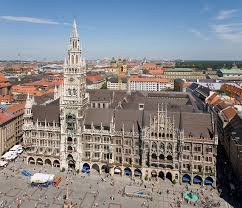
One of the most fascinating aspects of Маријин Трг is the architectural landscape that surrounds it. Public squares often become showcases for the architectural styles that dominated different periods of construction. Buildings facing the square may represent a mixture of classical, baroque, neoclassical, or modern influences depending on the city’s history and cultural development. Architectural details such as decorative facades, balconies, stone carvings, and large windows often contribute to the square’s visual identity. These structures are not only functional spaces for businesses, residences, or institutions but also historical artifacts that reflect the artistic and engineering achievements of their time. The arrangement of buildings around Маријин Трг also plays a role in shaping how people experience the square. Wide open views, pedestrian pathways, and central monuments can influence the flow of movement and encourage visitors to explore the area. As cities modernize, preserving the architectural integrity of such squares becomes an important responsibility for urban planners and cultural heritage organizations. The buildings around Маријин Трг therefore serve as both practical spaces and visual reminders of the city’s historical journey.
Cultural and Social Importance
Public squares like Маријин Трг have always served as cultural crossroads where different elements of community life intersect. In many cities, these spaces host festivals, public performances, seasonal markets, and social gatherings that strengthen the bonds among residents. Cultural events held in the square often celebrate local traditions, music, cuisine, and art, allowing both residents and visitors to experience the unique character of the region. Маријин Трг may also serve as a meeting place for people from different backgrounds who come together to share experiences and participate in communal life. Such spaces help foster a sense of belonging and identity within the community. Social interactions that occur in the square, whether through casual conversations, public celebrations, or organized cultural events, contribute to the vitality of urban life. Over time, memories associated with these gatherings become part of the collective history of the community. This social dimension is one of the reasons why historic squares continue to hold emotional significance for residents even as cities grow and change.
The Role of Public Squares in Urban Planning
Urban planners often emphasize the importance of open public spaces in creating livable cities. Маријин Трг exemplifies how a well-designed square can enhance the quality of urban life by providing a place where people can relax, interact, and engage with their surroundings. Public squares offer opportunities for pedestrian activity, outdoor dining, cultural events, and informal recreation. They also help reduce the feeling of overcrowding in densely built areas by offering open environments where residents can enjoy fresh air and scenic views. Modern urban planning often incorporates landscaping, seating areas, and artistic installations to make squares more inviting and accessible. The success of spaces like Маријин Трг demonstrates that thoughtfully designed public areas encourage social interaction and community engagement. When maintained properly, such spaces become symbols of civic pride and shared identity, reflecting the values and aspirations of the community that surrounds them.
Tourism and Economic Influence
Historic squares frequently become major attractions for visitors who wish to experience the cultural and architectural heritage of a city. Маријин Трг may attract tourists interested in photography, history, architecture, and local traditions. Visitors often spend time exploring nearby cafes, restaurants, and shops, contributing to the local economy. Tourism generated by historic squares can provide economic opportunities for local businesses and artisans who offer traditional products or services. Guided tours, cultural exhibitions, and local events held in the square can further enhance its appeal to travelers. Economic activity surrounding such squares often leads to increased investment in infrastructure, preservation projects, and cultural initiatives that ensure the area remains vibrant and attractive. By balancing tourism with community needs, cities can maintain the authenticity of places like Маријин Трг while benefiting from the economic opportunities they create.
Preservation and Historical Protection
As cities grow and modernize, preserving historic spaces becomes increasingly important. Маријин Трг may be protected through heritage conservation programs designed to maintain its architectural and cultural integrity. Preservation efforts often involve restoring historic buildings, maintaining monuments, and regulating new construction to ensure it complements the existing environment. Cultural heritage organizations and government institutions may collaborate to document the history of the square and promote awareness of its significance. Preservation not only protects physical structures but also safeguards the traditions and memories associated with the space. Educational programs, historical exhibitions, and cultural festivals held in the square can help younger generations appreciate its importance. By protecting historic squares like Маријин Трг, communities ensure that future generations can continue to experience the cultural and historical richness that these spaces represent.
Community Life and Everyday Activities
Beyond its historical and cultural significance, Маријин Трг also serves as a place where everyday life unfolds. Residents may visit the square to meet friends, enjoy outdoor cafes, watch street performers, or simply relax in a pleasant public environment. Children might play in nearby open spaces while adults engage in conversations or observe the movement of the city around them. The square may host small markets, art exhibitions, or public discussions that encourage community participation. These everyday activities transform the square into a living space rather than merely a historical landmark. The combination of routine daily life and occasional special events gives the square a dynamic character that reflects the energy of the surrounding city. This constant flow of activity ensures that Маријин Трг remains relevant and meaningful to the people who use it regularly.
Modern Developments and Future Potential
While historic squares preserve the past, they must also adapt to the needs of contemporary society. Modern improvements around Маријин Трг may include enhanced pedestrian infrastructure, improved lighting, sustainable landscaping, and technological features that support events or public information systems. City planners often work to balance modernization with preservation so that new developments do not compromise the historical character of the square. Sustainable urban planning practices may introduce environmentally friendly designs such as green spaces, water features, and energy-efficient lighting. These improvements help ensure that the square remains functional and welcoming for future generations. By integrating modern amenities with historical preservation, cities can maintain the relevance of traditional public spaces while supporting the evolving lifestyles of their residents.
Frequently Asked Questions (FAQs)
What does Маријин Трг mean?
Маријин Трг generally translates to “Mary’s Square” or “Marijin Square,” indicating that the area may historically be associated with a figure named Mary or a religious or cultural reference.
Why are historic squares like Маријин Трг important?
Historic squares are important because they serve as cultural and social centers where communities gather, celebrate traditions, and preserve historical memories.
What activities usually take place in such squares?
Activities can include festivals, markets, public events, concerts, social gatherings, and everyday leisure activities for residents and visitors.
How do cities preserve historic squares?
Cities often protect them through heritage conservation laws, restoration projects, architectural regulations, and cultural programs that promote historical awareness.
Can historic squares still be modernized?
Yes, modernization can occur carefully through improvements in infrastructure, lighting, landscaping, and public facilities while maintaining the square’s historical character.
Conclusion
Маријин Трг represents the enduring value of public spaces that bring communities together across generations. As a historical square, it reflects the architectural beauty, cultural traditions, and social interactions that shape the identity of a city. From its origins as a gathering place for trade and public events to its modern role as a center for tourism and community life, the square demonstrates how urban spaces evolve while preserving their historical significance. By maintaining the architectural heritage and encouraging cultural activities within the square, communities ensure that places like Маријин Трг continue to inspire residents and visitors alike. Its presence reminds us that cities are not only defined by buildings and infrastructure but also by the shared spaces where people meet, celebrate, and create memories together.


Leave a Reply